


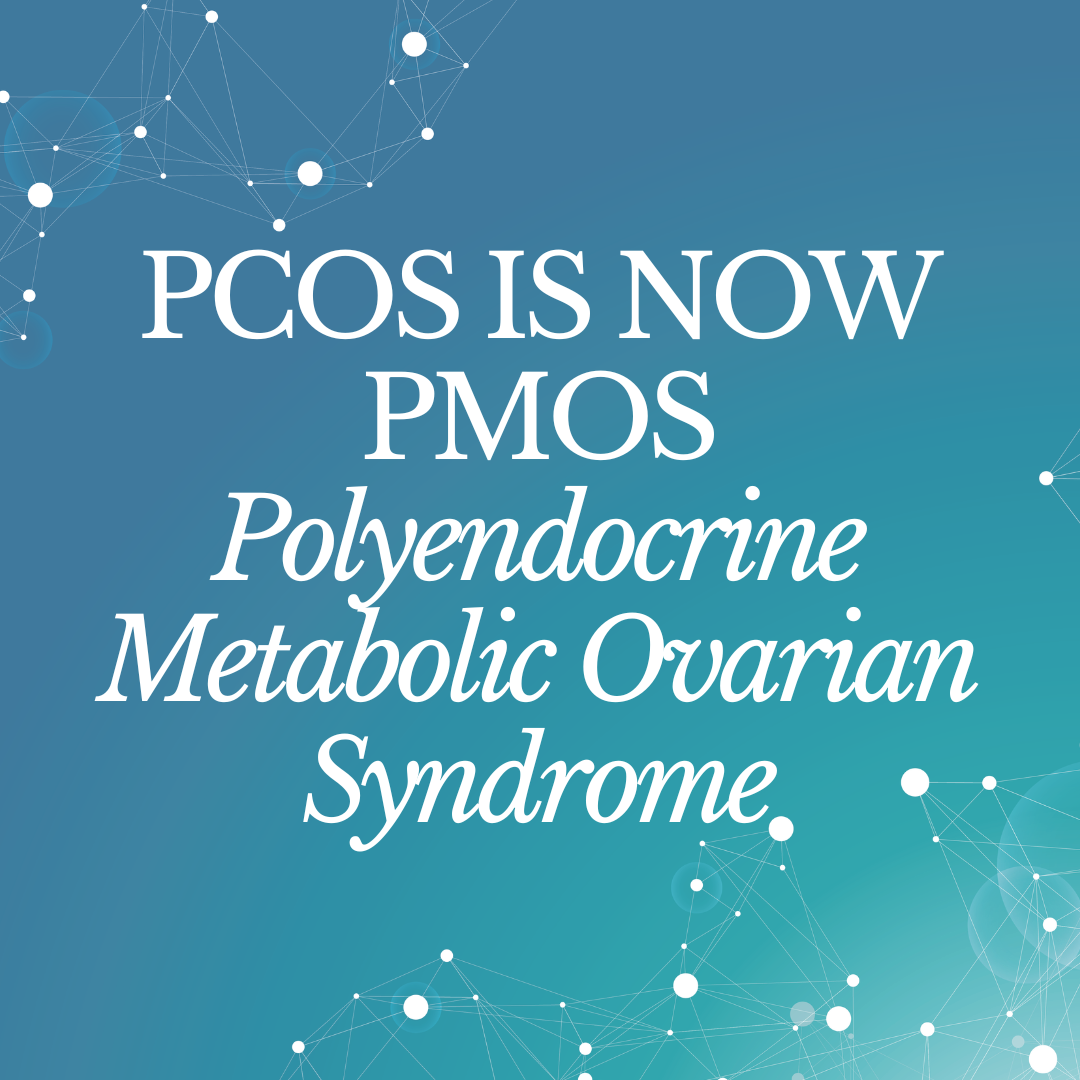
Previously known as Polycystic Ovary Syndrome (PCOS), the condition affecting millions of women worldwide has officially been renamed Polyendocrine Metabolic Ovarian Syndrome (PMOS). The change follows an international effort involving medical experts, researchers, and patients who felt the term PCOS did not fully reflect the condition and its impact on the body.
According to Texas Diabetes endocrinologist Dr. Srujana Yada, the updated name better represents the hormonal and metabolic aspects of the condition rather than focusing only on the ovaries.
“This helps diagnose patients correctly and treat them appropriately,” said Dr. Yada.
Why was PCOS renamed?
For years, experts felt the term “PCOS” could be misleading because many women with the condition do not actually have ovarian cysts. In fact, the “cysts” commonly seen on ultrasound are typically immature follicles, or eggs that did not ovulate.
The new name highlights that the condition affects more than reproductive health alone. PMOS is closely linked to metabolic and endocrine dysfunction, including insulin resistance, obesity, and diabetes risk.
“Treating the patient metabolically will help treat the cause rather than just treating symptomatically,” said Dr. Yada.
What are the symptoms of PMOS?
Symptoms of PMOS can vary from person to person, but some of the most common include:
- Irregular or missed periods
- Facial hair or unwanted body hair growth
- Weight gain or difficulty losing weight
- Insulin resistance
- Infertility
Dr. Yada also notes that PMOS may increase the risk of obesity, diabetes, and hormone-related cancers such as uterine cancer and breast cancer.
How is PMOS diagnosed?
PMOS is considered a diagnosis of exclusion, meaning doctors must first rule out other conditions that can cause similar symptoms.
“Endocrinologists make sure there is no other reason for irregular periods or facial hair like thyroid disorders, adrenal disorders, or pituitary disorders,” said Dr. Yada.
Once other disorders are ruled out and the patient meets certain criteria, a diagnosis of PMOS can be made.
What is the role of an endocrinologist in treating PMOS?
Endocrinologists play an important role in both diagnosing and treating PMOS, especially the metabolic side of the condition.
This may include managing:
- Insulin resistance
- Diabetes risk
- Weight management
- High cholesterol
- High blood pressure
- Hormonal symptoms such as unwanted hair growth
According to Dr. Yada, endocrinologists at Texas Diabetes and Endocrinology have always approached PMOS treatment from both a reproductive and metabolic perspective.
“Our endocrinologists have long treated the full range of PMOS symptoms — including irregular periods, unwanted facial hair, and insulin resistance — even before the condition was renamed,” she said.
How will the name change help patients?
Experts believe the transition from PCOS to PMOS will improve awareness, reduce delays in diagnosis, and help patients better understand the condition as a whole-body metabolic and endocrine disorder rather than simply an ovarian condition.
The transition to the new terminology will occur gradually over the next several years as healthcare systems, providers, and research organizations adopt the updated name.
When to talk to a doctor
If you are experiencing irregular periods, unwanted facial hair, weight changes, fertility concerns, or symptoms of insulin resistance, it is important to talk with your healthcare provider.
Our endocrinologists specialize in diagnosing and treating complex hormonal and metabolic conditions, including PMOS. Using the latest clinical guidelines and evidence-based approaches, they help patients manage symptoms, improve metabolic health, and reduce long-term health risks.
If you are concerned about PMOS or hormonal symptoms, talk with your provider at Texas Diabetes and Endocrinology or call (512) 458-8400 or request an appointment online to get started.
You can also follow us on Facebook and Instagram and check back each month for helpful wellness and health education designed to support your long-term health.