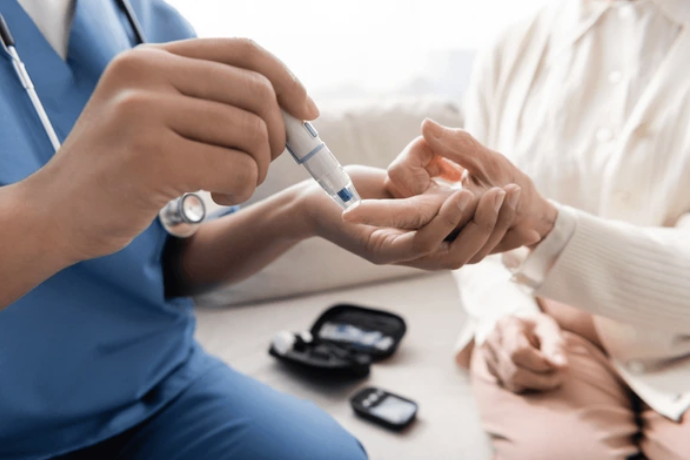
diabetes uncontrolled
Signs of Uncontrolled Diabetes: When to Take Action and How to Regain Control

38 million Americans live with diabetes. For those already diagnosed, maintaining stable blood sugar levels is one of the most important, and sometimes most challenging, parts of living well with diabetes.

When blood sugar levels stay too high for too long, it’s known as uncontrolled diabetes. This can happen for many reasons from missed medications and stress to changes in diet, illness, or lifestyle routines. Sometimes, it happens gradually and quietly. Other times, symptoms appear suddenly and signal that your body is struggling to process glucose effectively.

Uncontrolled diabetes isn’t just about elevated numbers on a glucose meter. Over time, it can affect nearly every part of the body, including your heart, eyes, kidneys, nerves, and skin. That’s why recognizing the early warning signs and understanding when to seek care is so important. The sooner you act, the easier it is to prevent long-term complications and get back on track towards a healthy and balanced lifestyle.

Why Blood Sugar Control Matters

Uncontrolled diabetes increases the risk of complications including heart disease, stroke, nerve damage, kidney disease, and vision loss. Over time, high blood sugar can affect nearly every organ system, which is why early recognition of warning signs is critical.

Common Signs of Uncontrolled Diabetes

Some symptoms are subtle, while others are more obvious. If you experience any of the following, it’s time to talk with your healthcare provider:

  • Increased thirst and frequent urination: Excess glucose in your bloodstream pulls water from tissues, leading to dehydration and more frequent bathroom trips.
  • Extreme fatigue: When your body can’t properly use glucose for energy, you may feel tired all the time.
  • Blurred vision: High blood sugar can cause the lens of your eye to swell, leading to temporary vision changes.
  • Slow-healing cuts or frequent infections: Elevated glucose impairs circulation and weakens your immune response.
  • Unexplained weight loss: Despite eating normally, your body may break down muscle and fat for energy.
  • Numbness or tingling in hands and feet: A sign of diabetic nerve damage (neuropathy).
  • Dry skin and recurrent yeast infections: Both can be related to excess sugar levels in blood and urine.

What Causes Blood Sugar to Rise?

Several factors can cause blood glucose to climb out of range, including:

  • Skipping or mismanaging medication or insulin doses
  • Eating large portions or high-carbohydrate meals
  • Stress or illness
  • Lack of physical activity
  • Hormonal changes

Monitoring your blood sugar regularly and tracking trends over time can help you and your healthcare team pinpoint what’s triggering fluctuations.

How to Get Back on Track

If you suspect your diabetes is uncontrolled, don’t panic. The key is to take action early:

  • Check your blood sugar as directed and log your readings.
  • Meet with your endocrinologist to review your blood sugar readings and adjust your medication if needed.
  • Revisit your nutrition plan and focus on balanced, portion-controlled meals.

If you’d like to schedule an appointment with one of our specialists at Texas Diabetes & Endocrinology and discover how our diabetes services and other endocrinology therapies can help you lead a full and active life, please contact us at (512) 458-8400 or request an appointment online. Don’t forget to follow us on Facebook and Instagram and check back with us each month as we provide you with helpful wellness and health information.

Type 2 Diabetes
Prediabetes: Could It Be You? Understanding the Warning Signs and How to Prevent Type 2 Diabetes

November is National Diabetes Month, a time dedicated to raising awareness about one of the most common – and preventable – health challenges in the United States. Most people associate diabetes with managing insulin, avoiding sugar, or living with type 2 diabetes, but often overlooked is the in-between stage: prediabetes.

More than 98 million American adults, or roughly 1 in 3, have prediabetes, yet over 80% of them don’t know it. That means millions of people are walking around with blood sugar levels that are higher than normal, but not high enough yet to be diagnosed as diabetes, without realizing their future health is at risk.

Prediabetes doesn’t always come with symptoms or warning signs. You may feel perfectly healthy and still have blood sugar levels that are quietly creeping upward. The silver lining is that with early detection, lifestyle changes, and proper medical support, prediabetes can often be reversed, preventing or delaying the onset of type 2 diabetes altogether.

What Is Prediabetes?

Prediabetes occurs when your blood sugar levels are higher than normal, but not yet high enough to be diagnosed as type 2 diabetes. It’s a warning sign that your body is starting to have trouble managing blood sugar effectively, and an opportunity to take action before serious complications develop.

Why Prediabetes Matters

Prediabetes doesn’t always cause symptoms, so it can progress silently for years. Without intervention, many people with prediabetes will go on to develop type 2 diabetes within five years. Once type 2 diabetes develops, the risks grow dramatically, including higher chances of heart disease, stroke, kidney failure, nerve damage, and vision loss.

Even though prediabetes may feel like a “gray area,” it’s actually one of the most powerful opportunities for prevention. Taking action now can help protect your long-term health and even extend your lifespan.

Who Is at Risk?

While anyone can develop prediabetes, certain factors increase your likelihood, including:

  • Being overweight or obese
  • Having a parent or sibling with type 2 diabetes
  • Being 45 years or older
  • Leading a sedentary lifestyle
  • Having high blood pressure or abnormal cholesterol levels
  • Having a history of gestational diabetes or polycystic ovary syndrome (PCOS)

If you check even one of these boxes, it’s worth getting screened. A simple blood test can tell you where you stand.

Subtle Signs to Watch Out For

Prediabetes often has no clear symptoms, which is why so many people are unaware they have it. However, some may notice:

  • Increased thirst or hunger
  • Fatigue
  • Frequent urination
  • Blurred vision

If you recognize any of these signs or have risk factors, ask your healthcare provider for a simple blood test to check your glucose levels.

How to Reduce Your Risk

The most effective way to prevent type 2 diabetes is by adopting healthy habits:

Lose a small amount of weight. If you are overweight, shedding even 5-7% of your body weight can dramatically reduce risk.

Aim for at least 150 minutes of moderate activity each week. That’s just 30 minutes a day, five days a week. Walking, swimming, dancing, or cycling all count.

Eat balanced meals that involve fruits, vegetables, lean proteins, complex carbohydrates and whole grains. Limit sugary drinks and refined carbs.
Don’t smoke and limit alcohol intake.

Last but not lease, work with your healthcare team. Regular monitoring and preventive care can help you stay on track.

How Texas Diabetes & Endocrinology Can Help


If you’d like to schedule an appointment with one of our specialists at Texas Diabetes & Endocrinology and discover how our diabetes services and other endocrinology therapies can help you lead a full and active life, please contact us at (512) 458-8400 or request an appointment online.

Don’t forget to follow us on Facebook and Instagram and check back each month as we provide you with helpful health and wellness information.

rows of soft drinks
A Closer Look at Liquid Sugar and Diabetes 

Recent research has shed new light on the risks associated with sugary beverages. A study from Brigham Young University (BYU) has revealed that consuming sugar in liquid form—such as in sodas, sweetened teas, and fruit juices—may increase the risk of developing type 2 diabetes more significantly than consuming sugar in solid foods.

What Is Liquid Sugar?

Liquid sugar refers to added sugars found in beverages, including sodas, sweetened teas, energy drinks, and fruit juices. Unlike sugars found in whole fruits, which are accompanied by fiber and nutrients, liquid sugars are absorbed quickly into the bloodstream. This rapid absorption can lead to spikes in blood sugar and insulin levels, placing added stress on the body over time.

Understanding Type 2 Diabetes

Type 2 diabetes occurs when your body doesn’t respond normally to insulin. Over time, insulin resistance causes your body to require even more insulin, resulting in high blood sugar and increasing the risk of complications such as heart disease, kidney damage, and nerve problems. Factors contributing to type 2 diabetes include genetics, lifestyle choices, and dietary habits.

The Link Between Liquid Sugar and Health Risks

The BYU study found that each 12-ounce serving of sugar-sweetened beverages consumed daily was associated with a 25% increased risk of developing type 2 diabetes. This heightened risk is thought to be due to the rapid absorption of liquid sugars, which can lead to increased fat storage, insulin resistance, and inflammation.

Excessive consumption of sugary drinks has also been linked to heart disease. High sugar intake can lead to obesity, high blood pressure, and elevated triglyceride levels—all risk factors for cardiovascular disease.

Reducing the intake of sugary beverages is a proactive step toward better health. Consider the following tips:

  • Choose Water or Unsweetened Beverages: Opt for water, herbal teas, or beverages without added sugars.
  • Read Labels Carefully: Be aware of hidden sugars in drinks labeled as “natural” or “healthy.”
  • Gradual Reduction: If you’re accustomed to sugary drinks, try gradually reducing your intake to allow your taste buds to adjust.

Reduce Your Type 2 Diabetes Risk

Additional steps you can take to protect your health and prevent type 2 diabetes include:

  • Maintain a Healthy Weight: Even modest weight loss can improve insulin sensitivity.
  • Stay Active: Aim for at least 150 minutes of moderate physical activity per week, such as brisk walking, swimming, or cycling.
  • Choose Whole Foods: Emphasize vegetables, fruits, whole grains, lean proteins, and healthy fats.
  • Limit Processed Foods: Reduce consumption of refined carbohydrates and foods high in added sugars.
  • Monitor Blood Sugar: Regular screenings can help detect early changes and allow for timely lifestyle adjustments.
  • Prioritize Sleep: Poor sleep can affect metabolism and insulin resistance. Aim for 7–9 hours of quality sleep per night.

Partnering with Experts for Better Health

At Texas Diabetes & Endocrinology, our team of specialists is dedicated to helping you achieve and maintain a healthy weight, a crucial factor in preventing type 2 diabetes and its complications. Through our comprehensive weight management program, we offer personalized guidance to help you achieve your health goals. Our approach includes nutrition education, customized exercise plans, and, when appropriate, a discussion of FDA-approved medications. We focus on supporting you in making sustainable lifestyle changes that lead to improved health and well-being.

Consult with an Endocrinologist in Austin, TX

If you’d like to schedule an appointment with one of our endocrinologists at Texas Diabetes & Endocrinology and discover how our diabetes services and other endocrinology therapies can help you lead a full and active life, please contact us at (512) 458-8400 or request an appointment online.  

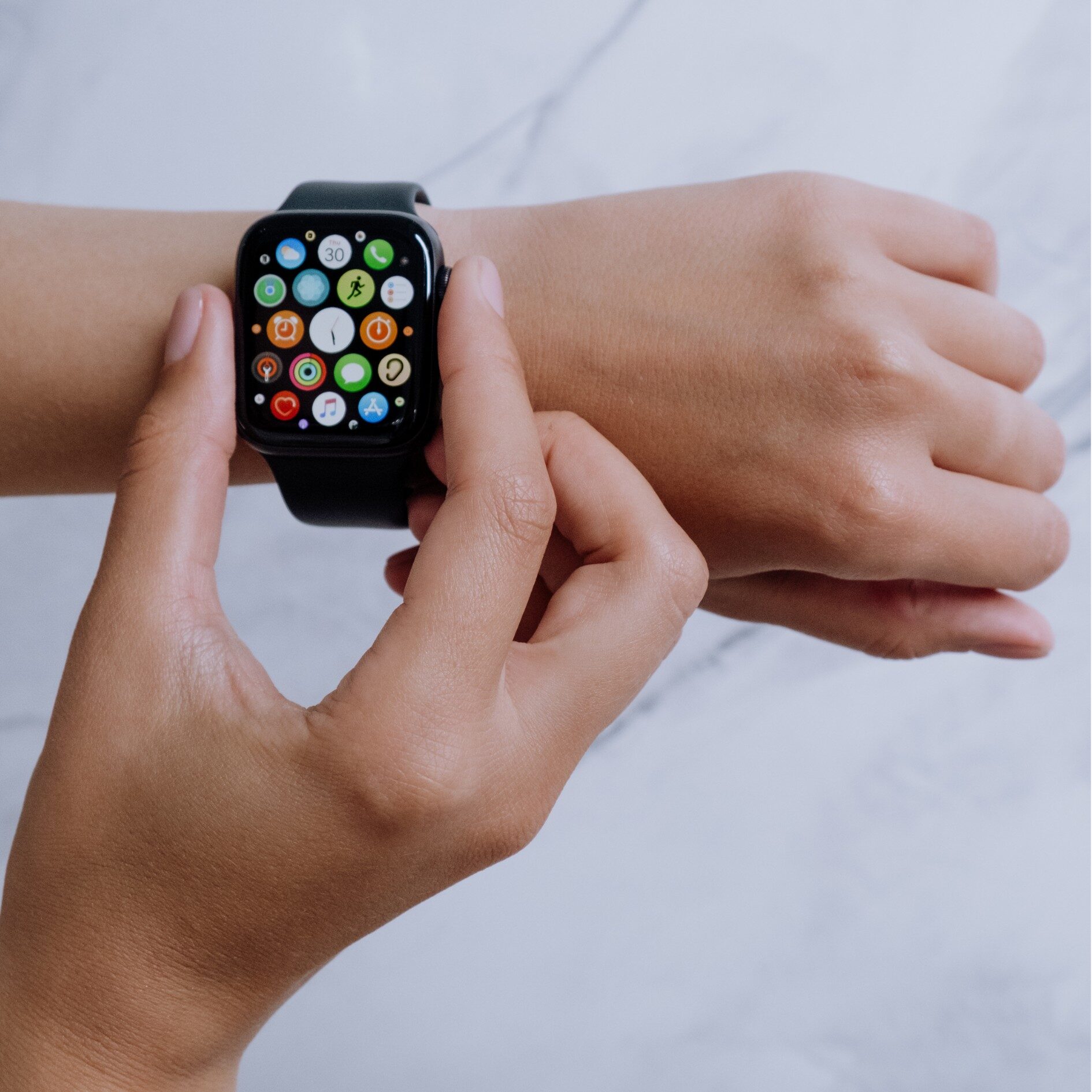
women with apple watch on wrist looking at screen
Wearable Devices and Your Health: Insights from Dr. Lucy Esteve

Wearable technology is becoming an increasingly popular way to monitor health — and for good reason. These devices offer valuable information that can help you better understand your body and make changes to support your overall health. 

We asked endocrinologist Dr. Lucy Esteve to share everything you need to know about using wearable devices to help achieve your metabolic health goals. 

Why are wearables important in the fight against diabetes?

Over one-third of the U.S. population has prediabetes, and 9 out of 10 people remain undiagnosed. That’s why there’s a pressing need for more widespread screening in the community to help prevent progression to diabetes and the complications that come with it. Wearable devices give us an opportunity to engage patients in their own health and help them make informed changes.

What types of wearable devices are available, and what do they track?

Wearables are non-invasive biometric sensors worn on the body and used worldwide for personalized health monitoring. Think of devices like the Apple Watch, Fitbit, Garmin, and Oura Ring. They generate objective data such as step count, calories burned, sleep patterns, and physiological stress. That immediate feedback can be leveraged to improve glycemic control, encourage self-care, and boost self-efficacy.

Can wearables measure blood sugar?

It’s important to know that, as of yet, smartwatches in the U.S. are not FDA-approved for detecting glycemic dysfunction and don’t provide reliable, real-time glucose levels. However, continuous glucose monitors (CGMs) are minimally invasive wearables that are FDA-approved for managing diabetes and they’ve truly revolutionized how we detect and address blood sugar issues.

What’s new in CGM technology?

We now have over-the-counter CGMs like Abbott’s Lingo and Dexcom’s Stelo. These are designed for people who want to track their metabolic health even without a diabetes diagnosis and do not require a prescription. They allow users to monitor trends in blood glucose rather than single data points like a lab draw, and data can even be shared with healthcare professionals via apps like Dexcom Clarity.

Are there limitations to these devices?

OTC CGMs can be costly, and they only measure glucose levels (they don’t provide additional biometric data). They also don’t have high or low glucose alerts, and accuracy can vary within an acceptable range. Finally, not all of them are integrated into electronic health record systems, which can make clinical workflow more challenging.”

Can you share an example of when CGM technology made a difference for a patient?

A patient in her 40s came to see me for evaluation of intermittent episodes of anxiety, shakiness, palpitations, dizziness, fatigue, and weight gain despite a healthy lifestyle. Her extensive cardiac work-up (EKG, stress testing and echocardiogram) and psychiatric evaluation (for anxiety disorder) were normal, and even her fingerstick glucose checks looked fine. We decided to try a CGM for two weeks, and she carefully logged her meals, symptoms, and exercise. When we reviewed the data together, we found she was having rapid blood sugar spikes after higher-carb meals, followed by quick drops — typical of reactive hypoglycemia. By simply adjusting her diet and adding more frequent high-protein snacks every 2–3 hours, her symptoms improved dramatically.

The Bottom Line

Wearable devices are powerful tools that can help patients and healthcare providers work together toward better health outcomes. As Dr. Esteve explains, they are not a replacement for medical evaluation, but when used correctly, they can be a game-changer in understanding and managing your health.

Consult with an Endocrinologist in Austin, TX

If you’d like to schedule an appointment with one of our endocrinologists at Texas Diabetes & Endocrinology and discover how our diabetes services and other endocrinology therapies can help you lead a full and active life, please contact us at (512) 458-8400 or request an appointment online.  

Next Page »