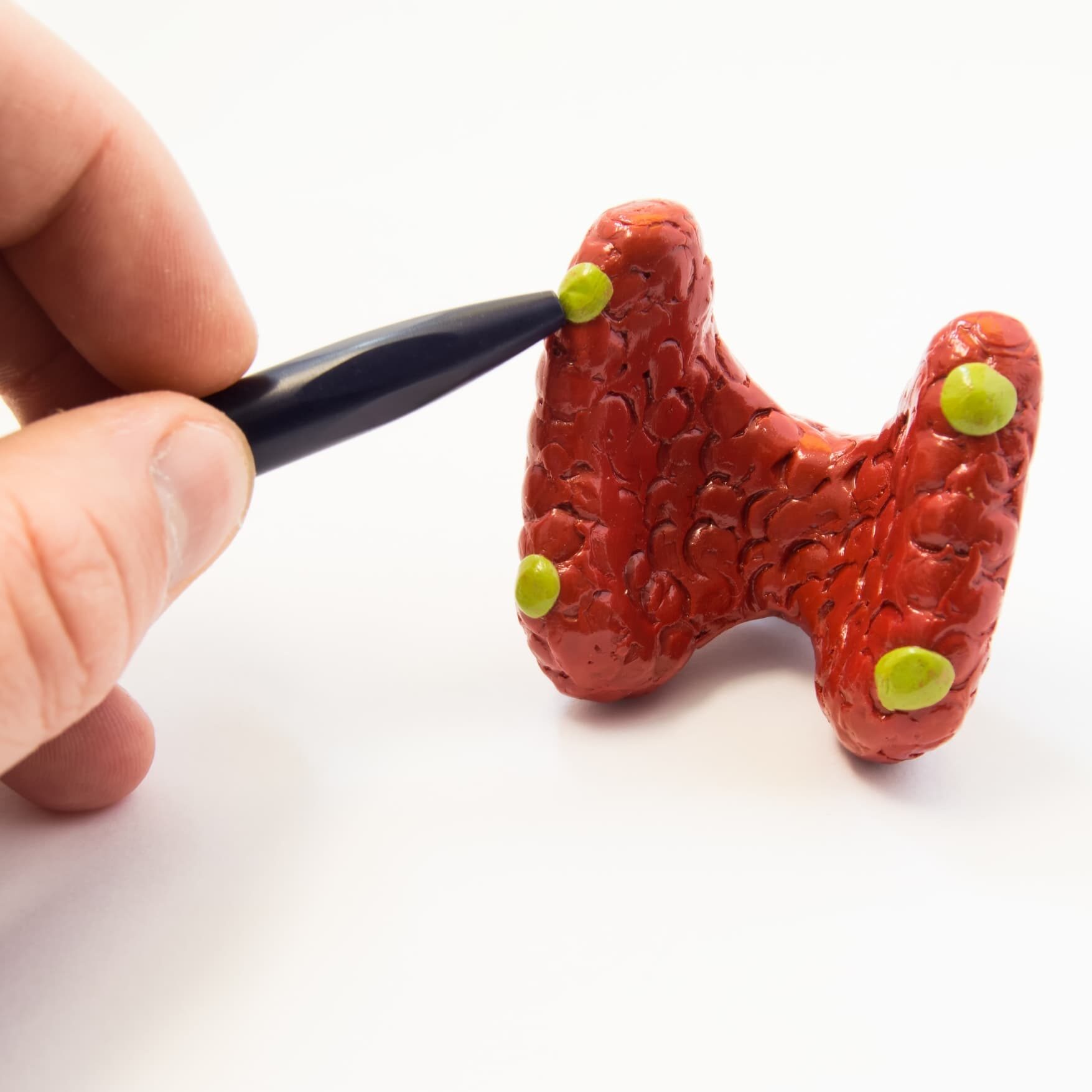
diabetes uncontrolled
Signs of Uncontrolled Diabetes: When to Take Action and How to Regain Control

38 million Americans live with diabetes. For those already diagnosed, maintaining stable blood sugar levels is one of the most important, and sometimes most challenging, parts of living well with diabetes.

When blood sugar levels stay too high for too long, it’s known as uncontrolled diabetes. This can happen for many reasons from missed medications and stress to changes in diet, illness, or lifestyle routines. Sometimes, it happens gradually and quietly. Other times, symptoms appear suddenly and signal that your body is struggling to process glucose effectively.

Uncontrolled diabetes isn’t just about elevated numbers on a glucose meter. Over time, it can affect nearly every part of the body, including your heart, eyes, kidneys, nerves, and skin. That’s why recognizing the early warning signs and understanding when to seek care is so important. The sooner you act, the easier it is to prevent long-term complications and get back on track towards a healthy and balanced lifestyle.

Why Blood Sugar Control Matters

Uncontrolled diabetes increases the risk of complications including heart disease, stroke, nerve damage, kidney disease, and vision loss. Over time, high blood sugar can affect nearly every organ system, which is why early recognition of warning signs is critical.

Common Signs of Uncontrolled Diabetes

Some symptoms are subtle, while others are more obvious. If you experience any of the following, it’s time to talk with your healthcare provider:

  • Increased thirst and frequent urination: Excess glucose in your bloodstream pulls water from tissues, leading to dehydration and more frequent bathroom trips.
  • Extreme fatigue: When your body can’t properly use glucose for energy, you may feel tired all the time.
  • Blurred vision: High blood sugar can cause the lens of your eye to swell, leading to temporary vision changes.
  • Slow-healing cuts or frequent infections: Elevated glucose impairs circulation and weakens your immune response.
  • Unexplained weight loss: Despite eating normally, your body may break down muscle and fat for energy.
  • Numbness or tingling in hands and feet: A sign of diabetic nerve damage (neuropathy).
  • Dry skin and recurrent yeast infections: Both can be related to excess sugar levels in blood and urine.

What Causes Blood Sugar to Rise?

Several factors can cause blood glucose to climb out of range, including:

  • Skipping or mismanaging medication or insulin doses
  • Eating large portions or high-carbohydrate meals
  • Stress or illness
  • Lack of physical activity
  • Hormonal changes

Monitoring your blood sugar regularly and tracking trends over time can help you and your healthcare team pinpoint what’s triggering fluctuations.

How to Get Back on Track

If you suspect your diabetes is uncontrolled, don’t panic. The key is to take action early:

  • Check your blood sugar as directed and log your readings.
  • Meet with your endocrinologist to review your blood sugar readings and adjust your medication if needed.
  • Revisit your nutrition plan and focus on balanced, portion-controlled meals.

If you’d like to schedule an appointment with one of our specialists at Texas Diabetes & Endocrinology and discover how our diabetes services and other endocrinology therapies can help you lead a full and active life, please contact us at (512) 458-8400 or request an appointment online. Don’t forget to follow us on Facebook and Instagram and check back with us each month as we provide you with helpful wellness and health information.

Five Tips For Healthier Eating

You are what you eat as the saying goes. Good nutrition and a balanced diet, along with regular physical activity, go a long way in contributing to your overall health, both physical and mental. 

The benefits of healthy eating are limitless. It helps support strong bones and muscles, boosts immunity, increases brain function, and lowers the potential for heart disease, diabetes, stroke, and some forms of cancer. 

Our team of board-certified endocrinologists place a great deal of emphasis on smart eating habits as we treat diabetes and help facilitate healthy weight loss for our patients. 

Improving your Diet with Five Tips for Healthier Eating

1. Eat the rainbow. Try to fill up with brightly colored fruits and vegetables at every meal. They provide an endless supply of fiber and nutrients and are an excellent source of hydration as well. 

2. Pay attention to portion sizes. Eat everything in moderation, but reserve your larger portions at each meal for fruits and veggies, lean proteins, and whole grains. More on healthy food portions can be found here

3. Read your food labels. Take a close look at what you’re eating and make sure to scan food labels of what you’re buying. Try to avoid anything with artificial colors/dyes, added sweeteners/sugars, or excessive amounts of sodium, cholesterol, and fats. 

4. Get in the kitchen and get cooking. The healthiest meals are often the ones you prepare at home with your own ingredients knowing exactly what goes into each recipe. Try to prioritize frequent family dinners together (pick fun theme nights or experiment with another culture’s cuisine) and meal prep on the weekends to set you up for success during the busy week ahead. 

5. Sub in the healthy swaps. Whether it’s beans as your main protein for a meatless Monday meal, or opting for a more fiber-filled whole wheat pizza crust, discovering smart and healthy swaps wherever you can is always a plus.  

Finally, if you need direction with your diet or weight loss goals, don’t be afraid to ask for help. Registered dieticians and weight loss professionals are experts at tailoring programs to suit your unique body’s needs.

At Texas Diabetes & Endocrinology, we specialize in working with those who need to lose weight in order to manage chronic health conditions, like diabetes. Our weight loss management program offers guidance and support for nutrition education, diet and exercise, and FDA-approved weight loss medications if necessary. 

We are here for you!

Contact Us to Help Manage your Diabetes, Osteoporosis and Thyroid Conditions 

If you’d like to schedule an appointment with one of our specialists at Texas Diabetes & Endocrinology and discover how our diabetes services  and other endocrinology therapies can help you lead a full and active life, please contact us at (512) 458-8400 or request an appointment online.  Don’t forget to follow us on Facebook and Instagram and check back with us each month as we provide you helpful wellness and health information.

fatty liver disease
What you need to know about fatty liver disease and alcohol

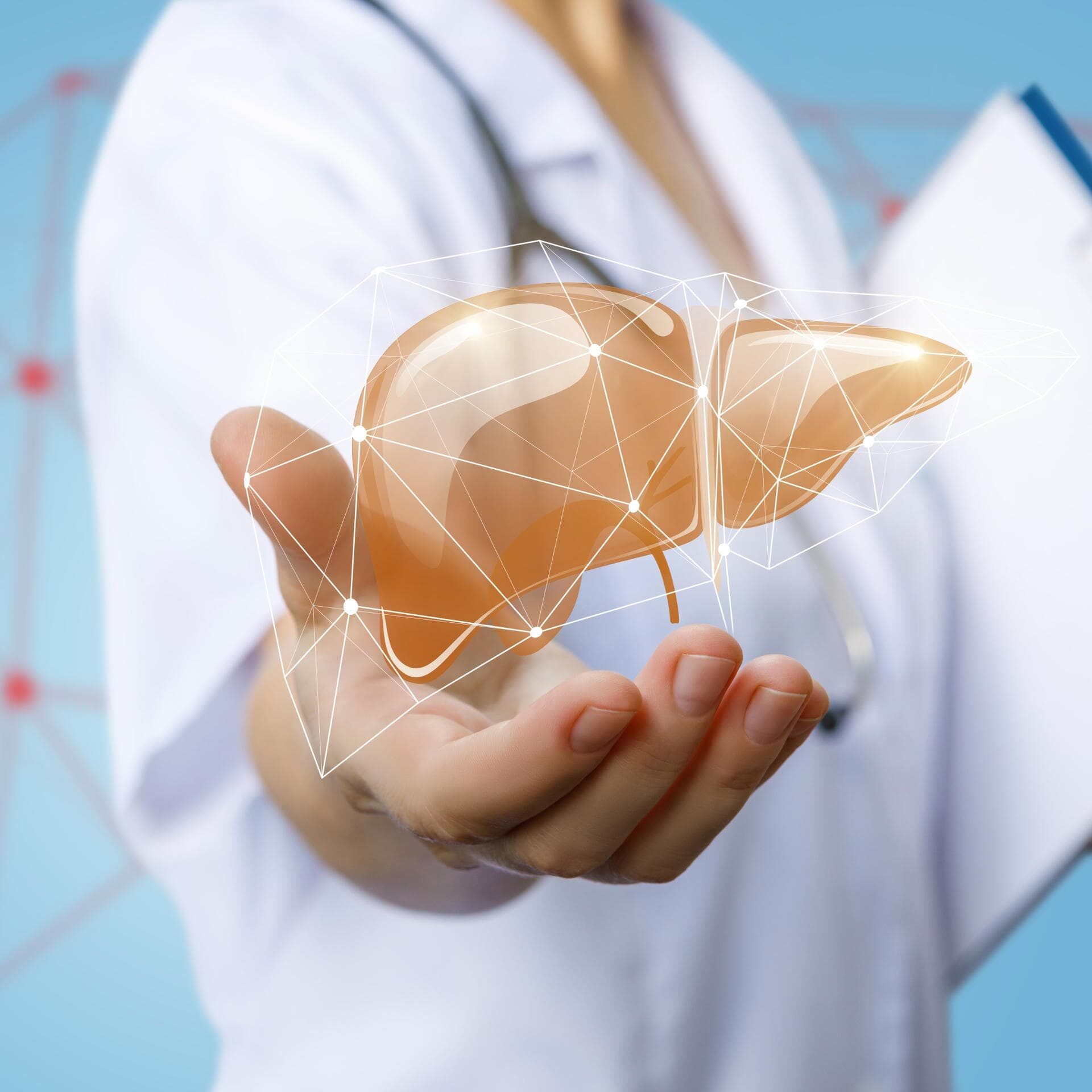
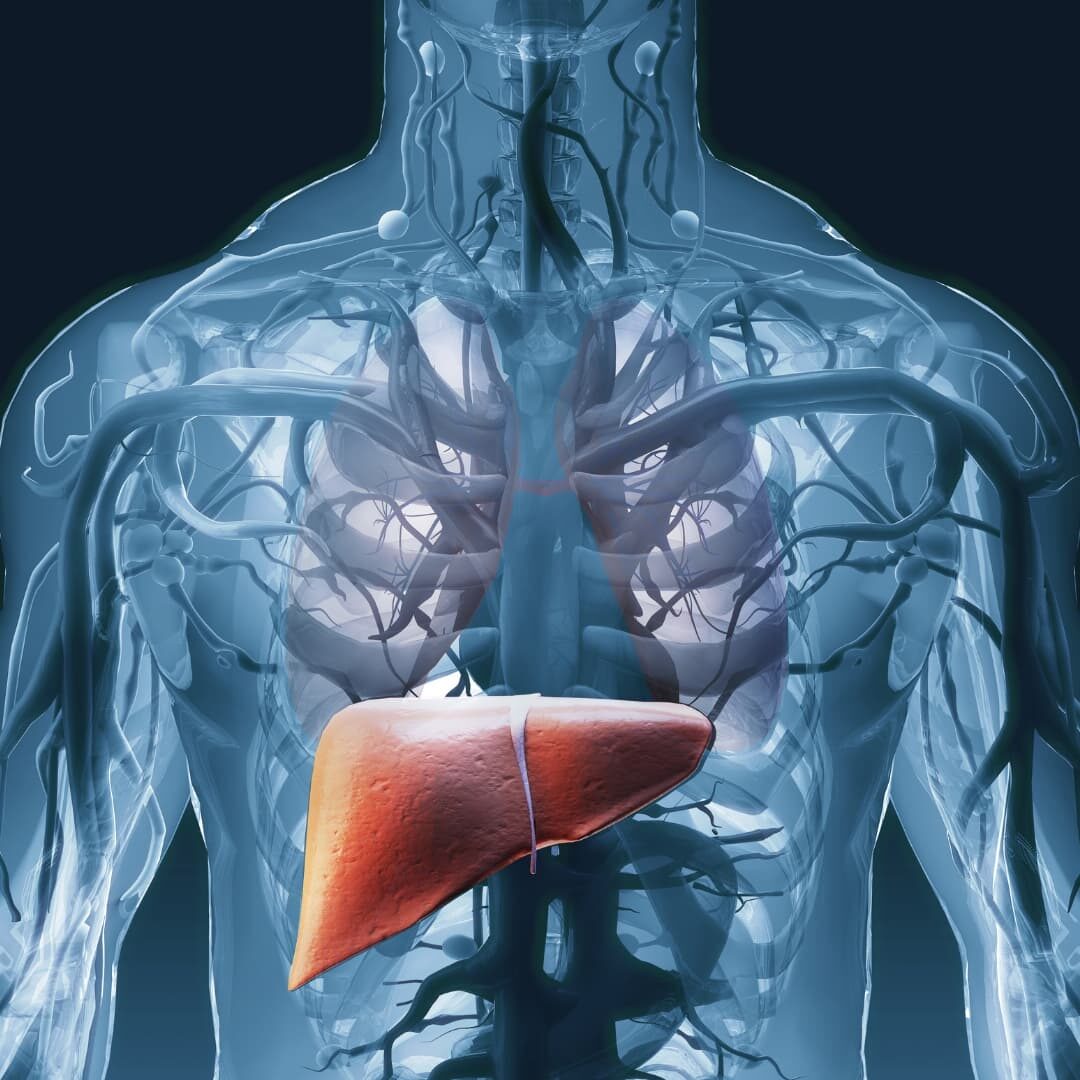
The liver is a multi-tasking organ that performs many essential functions for the body, one of which is detoxification. Sometimes the liver itself can accumulate too many toxins, such as in the case of fatty liver disease, when harmful fat deposits build up and cause inflammation. This can lead sometimes lead to more permanent damage, known as cirrhosis.

Approximately 25 percent of adult Americans are living with one of the most chronic liver diseases known as nonalcoholic fatty liver disease (NAFLD). Those with type 2 diabetes (T2D) are heavily prone to developing this condition. It is estimated that up to 70% of those living with T2D also suffer from  NAFLD. 

What is NAFLD?

NAFLD is the accumulation of fat in the liver that is unrelated to alcohol use, as opposed to alcoholic fatty liver disease which can be attributed directly to excessive alcohol consumption. While the exact cause of NAFLD can be hard to pinpoint, however, conditions such as diabetes, obesity, and high cholesterol are frequent triggers.

If too much fat builds up, the liver’s ability to function properly and eliminate toxins starts to decrease and can eventually shut down altogether. This leaves the body susceptible to severe sickness from the accumulated toxins. 

Unfortunately, NAFLD often develops without any significant symptoms.

How is NAFLD diagnosed?

NAFLD can be detected and further characterized through a non-invasive imaging study called FibroScan. Texas Diabetes & Endocrinology is one of the first endocrinology clinics in Central Austin to offer this innovative testing.

FibroScan technology allows our endocrinologists to gauge the amount of fat in the liver by observing the degree of stiffness in liver tissue.  The FibroScan evaluation is painless, performed conveniently in our offices, and only takes about 15 minutes to complete. 

NAFLD and Alcohol

If a diagnosis of NAFLD is made, one of the common questions our board-certified endocrinologists get is how drinking alcoholic beverages can affect this condition.

Endocrinologist Dr. Ishita Prakash Patel offers the following guidance to patients.

Is moderately drinking safe for those who are diagnosed with nonalcoholic fatty liver?

Abstinence from drinking is the safest option for those who already have the diagnosis of fatty liver disease.

What are the benefits of alcohol avoidance for those with NAFLD?

The benefits are stabilizing the liver disease and not aiding in progression of liver cell injury and the development of fibrosis, which is permanent.

Do any beverages actually help reduce liver fat?

A healthy balanced diet with vegetables, fruits and whole grains is important. It is also very important to lose weight if you are overweight or obese. There are no specific beverages which are proven to reduce liver fat. Drinking beverages without added sugars or chemicals are best. It is also recommended to stay away from processed and high fat foods.

Dr. Patel shares that “there is a rapidly growing percentage of the population that is developing NAFLD, as it is closely associated with obesity and diabetes.”

It is important to be aware of the potential for NAFLD if you possess one of the risk factors, such as diabetes, and get screened for it as “this condition can lead to liver fibrosis and cirrhosis, which are more permanent and dangerous conditions.”

How is NAFLD treated?

Lifestyle changes are typically the first, and most effective, form of treatment recommended. Your physician may suggest the following modifications to encourage healthier liver function:

  • Eating a balanced diet low in fats and sugar and high in vegetables, fruits, and whole grains
  • Maintaining a healthy weight, or losing weight if necessary
  • Exercising regularly, at least 150 minutes per week for the average adult
  • Quitting smoking
  • Properly managing (and monitoring) chronic conditions like diabetes, high blood pressure, and high cholesterol

Some medications and dietary supplements may also be helpful in relieving the liver of fatty buildup. Our team of endocrinology experts will work closely with your physician or gastroenterologist to help create a treatment plan that works best for you.

Welcoming Endocrinologist Dr. Lucy Esteve

Texas Diabetes & Endocrinology is thrilled to welcome Dr. Lucy Esteve to our team of board-certified endocrinologists and diabetes experts. She is now seeing patients at our South Austin location. 

Dr. Esteve specializes primarily in diabetes management and cutting-edge treatment technologies, such as wearable smartwatches, for the early detection and prevention of diabetes and related complications. 

She is fluent in multiple languages including French, Italian and Spanish. Her ability to communicate in several languages will be helpful in serving our diverse and multicultural population here in Central Texas. 

She joined TDE most recently from her Endocrinology Research Fellowship at Duke University in Durham, NC. 

Dr. Esteve attended Imperial College London in the U.K. where she obtained a BEng in Biomedical Engineering and a MSc in Immunology. She then completed her medical training at Warwick Medical School in the U.K. followed by her Internal Medicine residency training at UT Health San Antonio, TX. 

She holds certifications from the American Board of Internal Medicine (ABIM) in both Endocrinology and Internal Medicine. 

Dr. Esteve and her family chose to settle down in Austin for its multicultural population, strong art and music scene and great food. She instantly felt like Texas Diabetes would be a great fit for her and is excited to work alongside a well-organized, strong clinical team. 

Getting to Know Dr. Esteve

Why are you passionate about what you do?

Coming from a multicultural background, I feel like I can relate to patients and love creating long- term partnerships where we develop a personalized treatment plan together that works for them!

What are some fun facts you’d like to share?

I am the first physician in my family. My family is originally from Europe, but we are all now proudly American! My mother is an artist and my father an engineer, and they could not be more opposite! I am married with two children. 

How do you spend your free time when not caring for patients?

Outside of clinic, I love swimming, cooking, traveling the world, and watching soccer.  I am also an editor for an online knowledge sharing platform called theMednet.

Please join us in warmly welcoming her to the TD&E family!

Contact Us to Help Manage your Diabetes, Osteoporosis and Thyroid Conditions 

If you’d like to schedule an appointment with Dr. Esteve or one of our specialists at Texas Diabetes & Endocrinology and discover how our diabetes services, heart disease prevention,  and other endocrinology therapies can help you lead a full and active life, please contact us at (512) 458-8400 or request an appointment online.

Don’t forget to follow us on Facebook and Instagram and check back with us each month as we provide you helpful wellness and health information.

Next Page »