


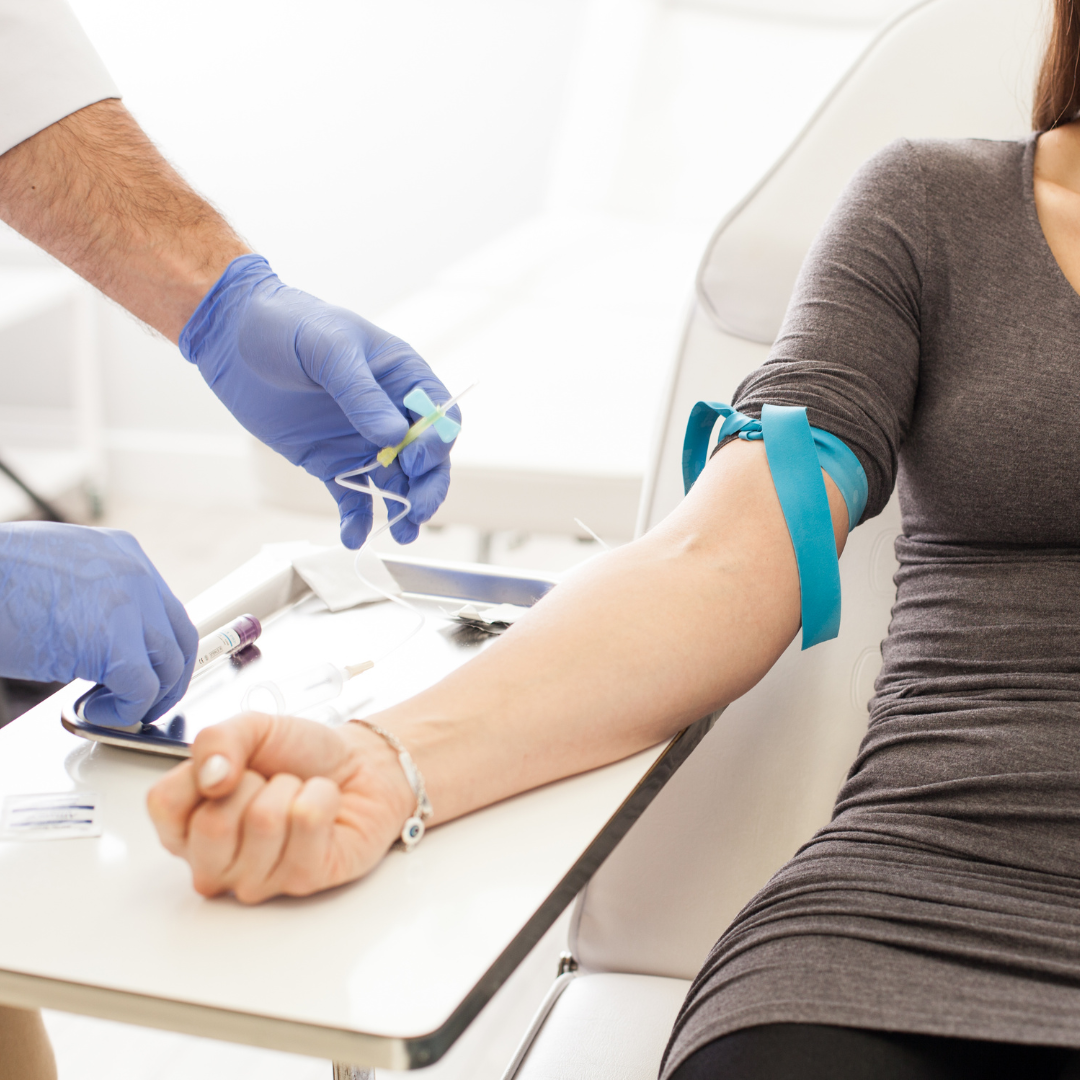
Often patients come to us saying “I feel like I have all the symptoms of a thyroid problem, but my labs are normal.” If you are experiencing hypothyroidism symptoms, including fatigue, unexplained weight changes, feeling unusually cold, or low energy, but your TSH, T3, and T4 levels all appear within the standard range, it can be confusing and frustrating.
At Texas Diabetes & Endocrinology, our endocrinology team specializes in identifying and managing thyroid and hormone-related issues, helping patients find answers even when lab tests don’t tell the full story.
What Is Hypothyroidism and How Is It Diagnosed?
Hypothyroidism occurs when your thyroid gland doesn’t produce enough thyroid hormone to meet your body’s needs. This can slow metabolism and affect multiple systems, leading to fatigue, weight gain, dry skin, hair loss, constipation, and mood changes.
Doctors usually diagnose hypothyroidism with blood tests, including:
- TSH (Thyroid Stimulating Hormone): Measures how hard your pituitary is working to stimulate the thyroid. High TSH can indicate an underactive thyroid.
- Free T4: Measures the amount of thyroid hormone circulating in your blood. Low levels can confirm hypothyroidism.
- Sometimes Free T3 or thyroid antibodies are checked for more complex cases or autoimmune thyroid disease.
When labs clearly show an underactive thyroid, treatment with hormone replacement therapy is usually straightforward. But sometimes, labs are normal even though symptoms persist, which can make diagnosis more challenging.
Why Symptoms Can Persist Even with Normal Labs
Normal blood test results generally indicate your thyroid is working properly, but other factors not related to your thyroid can cause hypothyroid-like symptoms:
- Hormonal imbalances outside the thyroid: Your pituitary or hypothalamus regulates thyroid hormone production. Problems in these areas can lead to symptoms even when thyroid labs appear normal.
- Pregnancy or hormonal shifts: Changes in estrogen or other hormones can temporarily affect thyroid function.
- Medication effects: Certain medications, such as corticosteroids, can impact thyroid hormone levels.
- Thyroid hormone conversion issues: Patients on levothyroxine may have normal T4 levels but low active T3, leading to ongoing symptoms.
- Other medical conditions: Insulin resistance, anemia, vitamin deficiencies (B12, vitamin D), adrenal issues, or kidney and liver problems can mimic hypothyroid symptoms.
Lifestyle Factors Can Play a Role
Even with a normally functioning thyroid, lifestyle factors can contribute to symptoms:
- Sleep: Poor sleep alone can lead to fatigue, mood changes, and weight fluctuations.
- Nutrition: Not getting enough calories or essential nutrients can make fatigue and low energy worse.
- Stress: Chronic stress impacts hormone balance, digestion, and overall energy.
- Physical activity: A sedentary lifestyle can contribute to fatigue, weight changes, and general low energy.
What You Can Do
Normal thyroid labs are a good sign, but persistent symptoms warrant a broader evaluation. Working closely with your healthcare provider, including an endocrinologist when appropriate, allows you to explore other potential causes and develop a personalized plan. This may include additional lab work, lifestyle adjustments, and careful monitoring over time.
Even when labs are normal, you deserve answers and strategies to feel your best. At Texas Diabetes & Endocrinology, our specialists are dedicated to helping patients uncover underlying causes to understand your symptoms.
Thyroid Care at Texas Diabetes & Endocrinology in Austin, TX
If you’d like to schedule an appointment with one of our thyroid specialists at Texas Diabetes & Endocrinology, please contact us at (512) 458-8400 or request an appointment online. Don’t forget to follow us on Facebook and Instagram and check back with us each month as we provide you helpful wellness and health information.