

Osteoporosis affects an estimated 54 million Americans and is a leading cause of fractures as we age. For women, menopause significantly increases risk—making it an important time to focus on prevention.
The U.S. Preventive Services Task Force recommends screening postmenopausal women to detect bone loss early
What is osteoporosis?
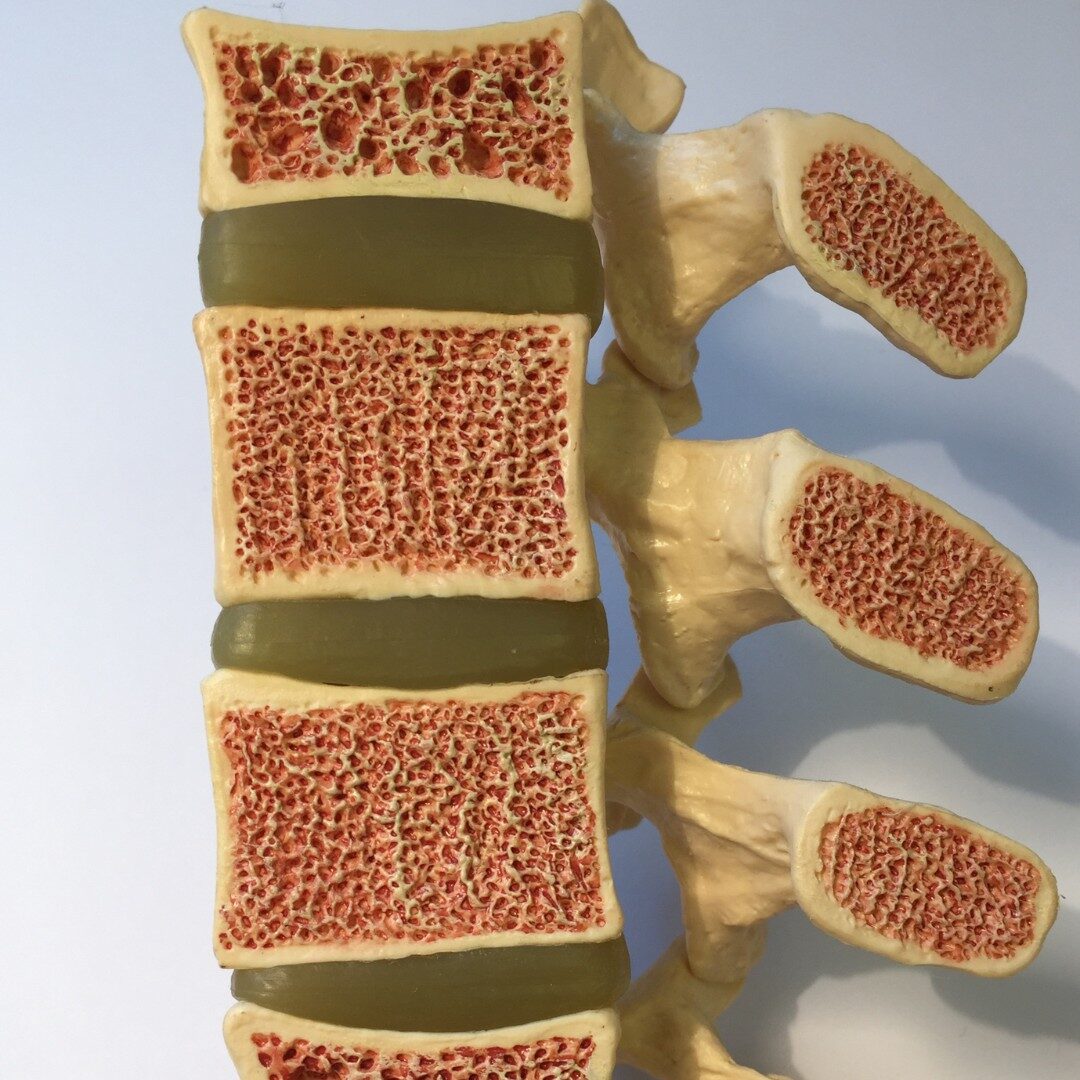
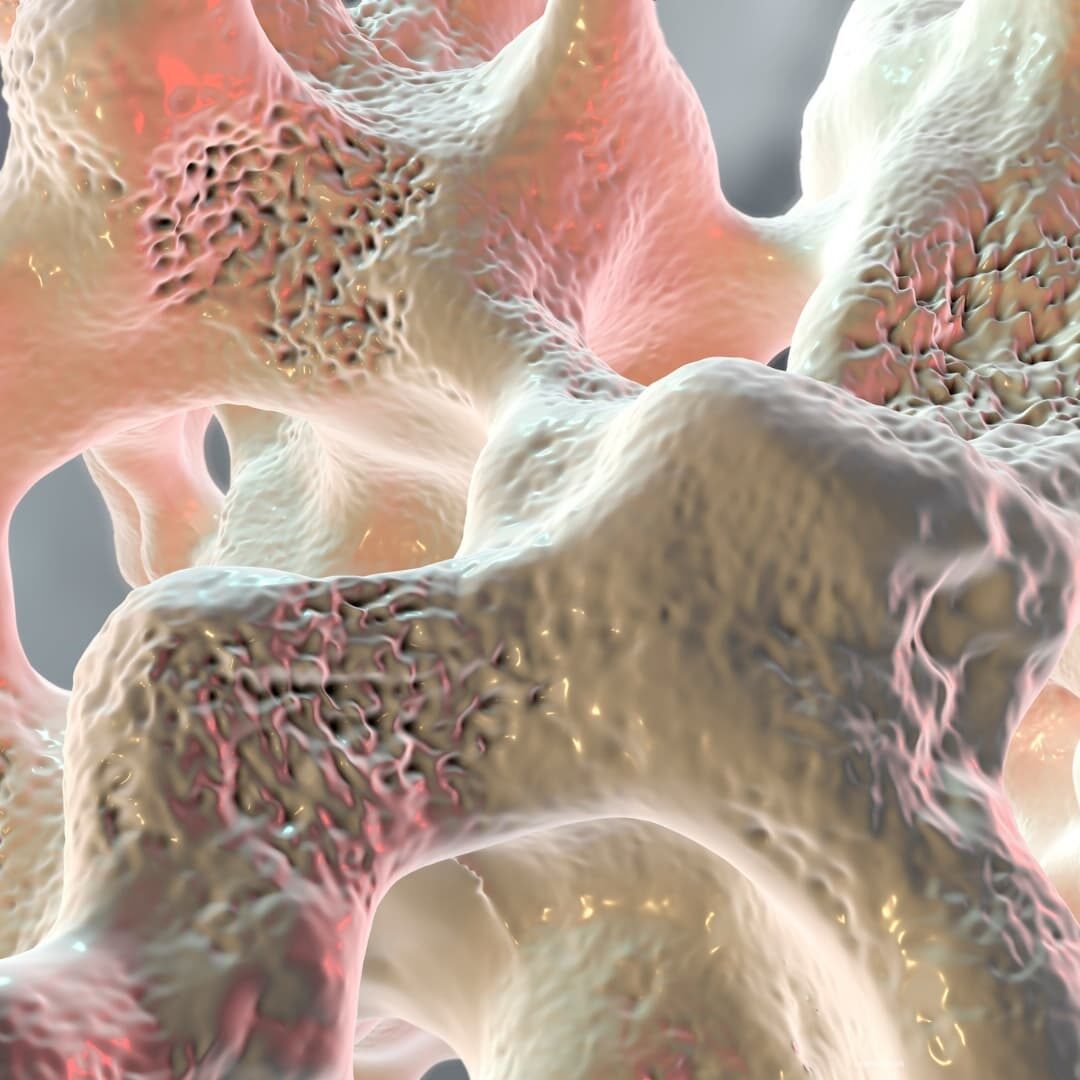
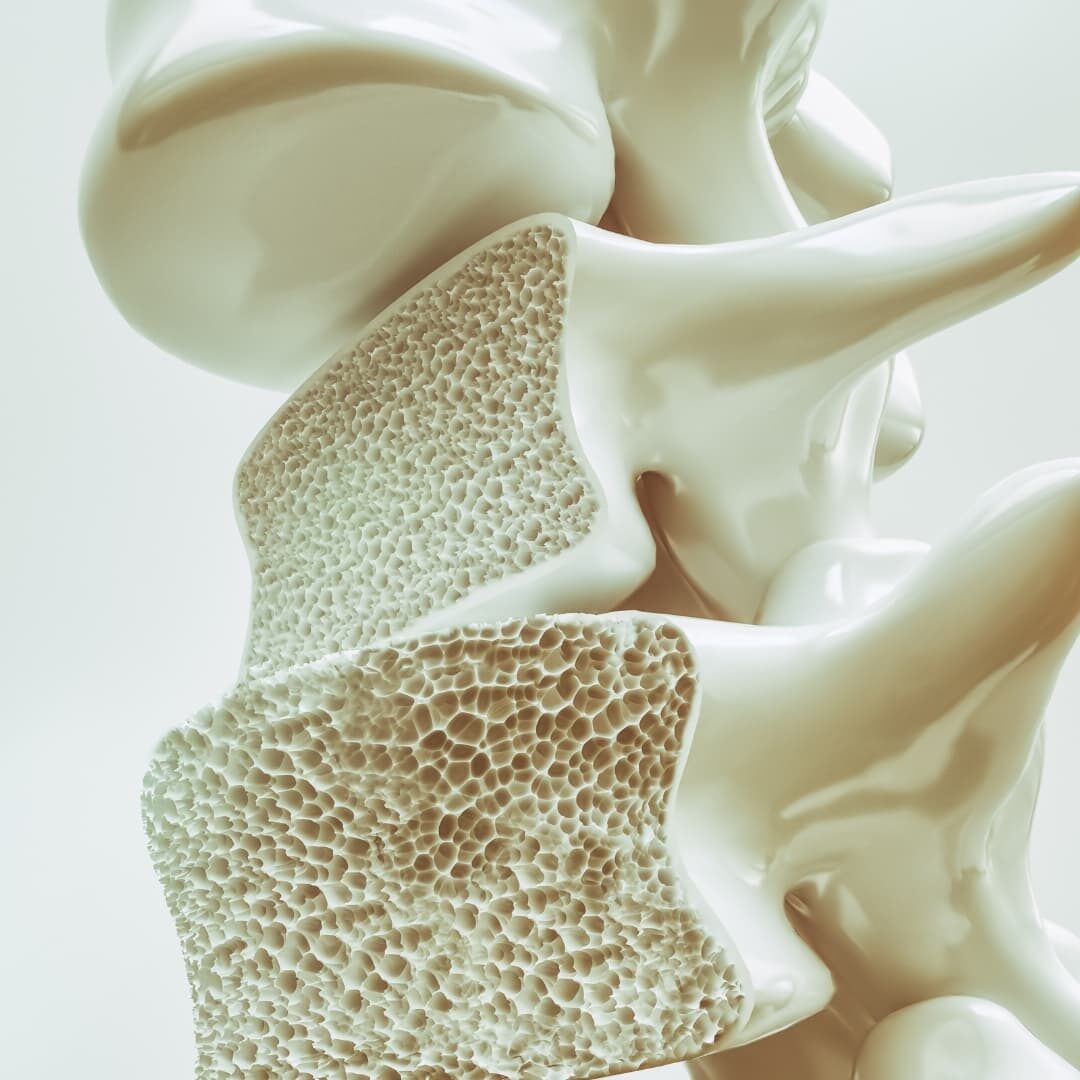
Osteoporosis is a condition that causes bones to become weak and fragile, increasing the risk of fractures. It develops when the body loses bone faster than it can rebuild it.
Often called a “silent disease,” osteoporosis typically has no symptoms until a fracture occurs, most commonly in the hip, spine, or wrist.
Why menopause increases fracture risk
Estrogen helps regulate bone remodeling and slows bone breakdown. During menopause, decreased estrogen leads to:
- Faster bone loss
- Increased bone turnover
- Reduced bone density
This makes bones more fragile and increases the risk of fractures over time. Studies confirm that postmenopausal women experience significantly accelerated bone loss compared to premenopausal women.
Who else is at risk for osteoporosis?
In addition to menopause, there are several other factors that can increase your risk for osteoporosis. You may be at higher risk for osteoporosis if you are:
- Age 65 or older
- A man over 70
- Someone with a family history of osteoporosis or hip fracture
- Living with chronic conditions such as diabetes
- Taking long-term steroid medications
- Going thru early menopause or have low testosterone levels
Other risk factors include smoking, low body weight, low calcium intake, and vitamin D deficiency.
How to strengthen bones and prevent osteoporosis
While bone loss increases with age, there are proven ways to slow it and support bone strength.
1. Get enough calcium and vitamin D
Calcium builds bone structure, and vitamin D helps your body absorb it. Many people need supplementation in addition to dietary sources.
2. Exercise regularly
Weight-bearing activities help maintain bone density. Examples include walking, dancing, and light jogging.
3. Do strength training
Resistance exercise builds muscle and supports bone strength, helping reduce fracture risk and improve balance.
4. Avoid smoking and limit alcohol
Smoking is linked to lower bone density and higher fracture risk. Excess alcohol can also weaken bones over time.
5. Get screened for osteoporosis
A bone density scan (DEXA) can detect early bone loss before a fracture occurs. Screening is especially important for postmenopausal women and other high-risk individuals.
Early diagnosis allows for earlier treatment and better long-term bone health outcomes.
When to talk to a doctor about bone health
If you are postmenopausal or have risk factors for osteoporosis, it is important to discuss screening and prevention with your healthcare provider.
Our endocrinologists specialize in complex and age-related bone health conditions, including osteoporosis. Using the latest diagnostic tools and clinical guidelines, they help tailor treatment and prevention strategies based on each patient’s individual risk factors.
If you are concerned about osteoporosis or bone loss, talk with your provider at Texas Diabetes and Endocrinology or call (512) 458-8400 or request an appointment online to get started.
You can also follow us on Facebook and Instagram and be sure to check back each month for helpful wellness and health education designed to support your long-term health.