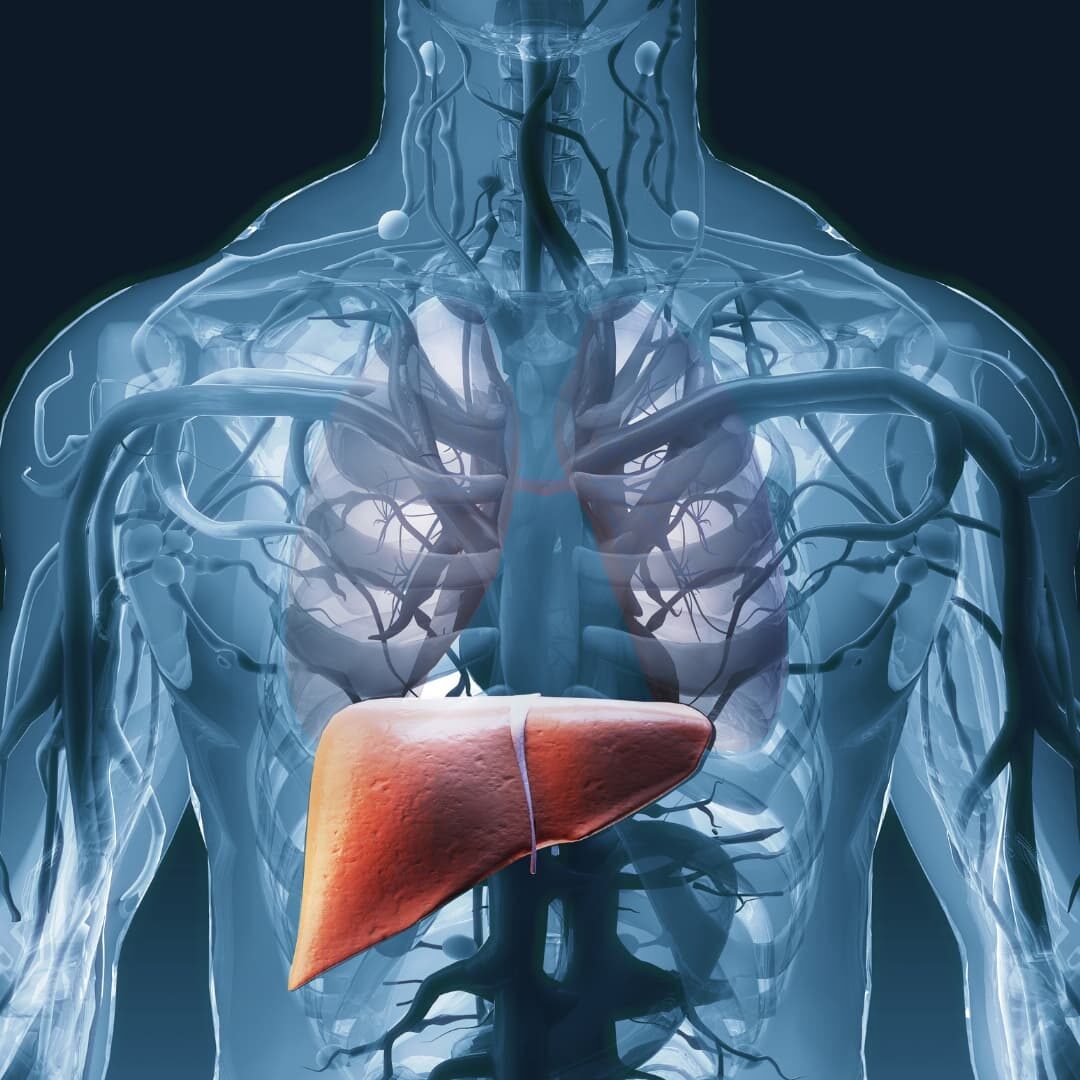


When you think about managing diabetes, you probably think about blood sugar, A1C, and medications. But your liver is another important part of your metabolic health.
The challenge is that liver disease often develops without noticeable symptoms. And even if your routine bloodwork looks normal, it doesn’t necessarily mean your liver is healthy.
Why Is Liver Health Important for People With Diabetes?
Your liver stores glucose for energy and releases it when your body needs it. It also helps process fats and other nutrients. When your body becomes resistant to insulin, excess fat can accumulate in the liver.
Metabolic dysfunction-associated steatotic liver disease (MASLD), previously known as nonalcoholic fatty liver disease (NAFLD), is commonly associated with:
- Type 2 diabetes and prediabetes
- Insulin resistance
- Obesity, particularly excess abdominal fat
- High triglycerides or other cholesterol abnormalities
- High blood pressure and metabolic syndrome
You don’t have to drink alcohol to develop fatty liver, and it can affect people at a normal weight, too.
For some people, the condition remains relatively mild. In others, it can progress to inflammation and liver scarring, known as fibrosis. Advanced fibrosis can eventually lead to cirrhosis and other serious complications.
Because diabetes and other metabolic conditions are linked to an increased risk of liver disease, understanding your liver health can be an important part of managing your overall metabolic health.
How Do Endocrinologists Test Your Liver?
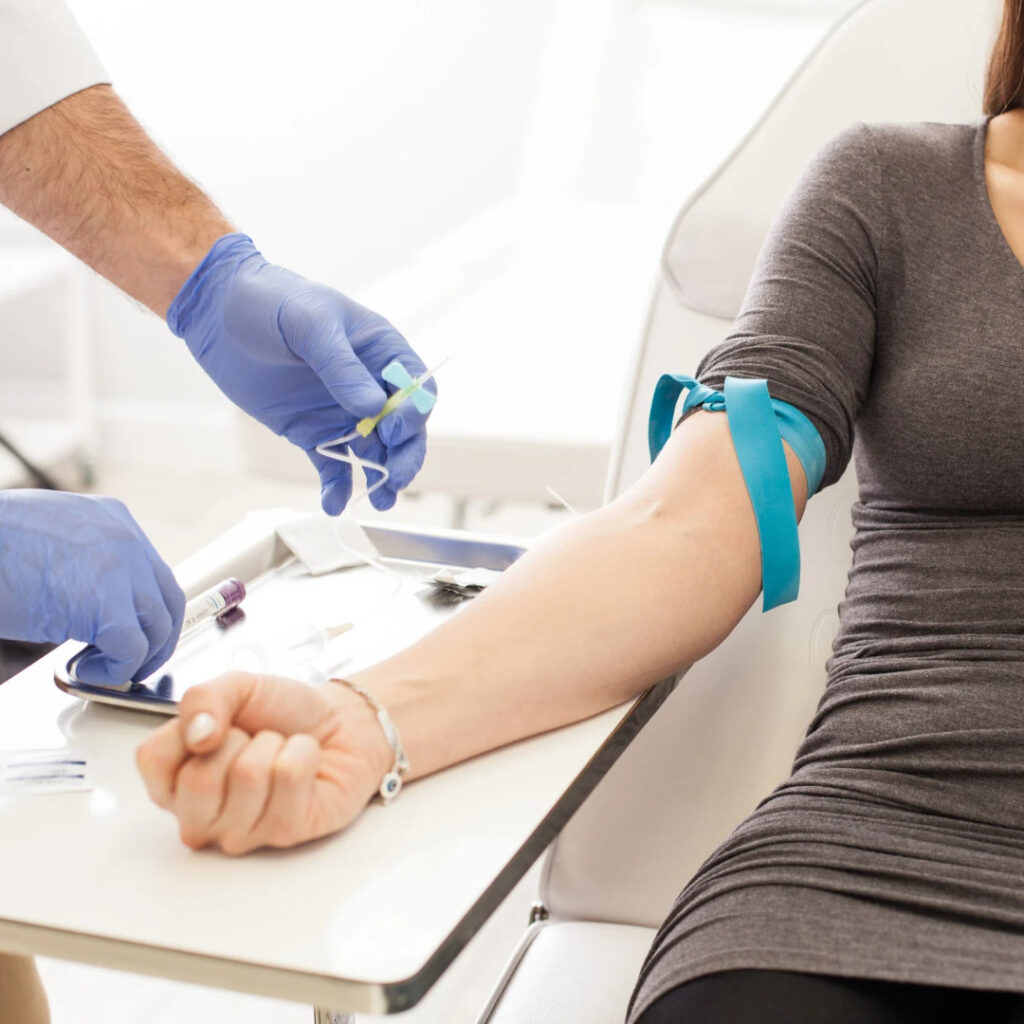
There isn’t one test that tells your provider everything about your liver health. Depending on your medical history and risk factors, your endocrinologist may recommend bloodwork or additional testing to assess liver fat and the risk of scarring.
Blood Tests for Liver Health
Bloodwork is often an important first step. Your provider may check liver enzymes such as ALT and AST, which can become elevated when liver cells are damaged. Other blood tests may help evaluate your overall health or identify possible causes of abnormal results.
Your provider may also use information from routine bloodwork to calculate a score that estimates your risk of liver fibrosis.
Can You Have Fatty Liver With Normal Liver Enzymes?
Yes. Some people with MASLD or liver fibrosis have normal or only mildly elevated liver enzyme levels.
This is particularly important for people with type 2 diabetes, who may be at increased risk of advanced liver fibrosis even when they feel well and their routine bloodwork looks normal.
How Does FibroScan Check Liver Health?
FibroScan is a noninvasive test that uses specialized ultrasound-based technology to assess liver fat and stiffness.
- Liver fat — Estimates the amount of fat in the liver, helping your provider evaluate fatty liver disease.
- Liver stiffness — Helps assess the likelihood of fibrosis, or liver scarring. Inflammation and other factors can also affect this measurement.
Texas Diabetes & Endocrinology offers FibroScan testing as part of its liver health services. FibroScan doesn’t replace all other liver tests, so your provider will consider the results alongside your medical history, bloodwork, and other findings.
Who Should Consider Liver Health Testing?
Because fatty liver disease often develops without symptoms, you don’t necessarily need to feel unwell to benefit from an evaluation.
It may be worth discussing liver health testing with your provider if you:
- Have type 2 diabetes.
- Have prediabetes or insulin resistance.
- Are overweight or have obesity.
- Have high triglycerides, high blood pressure, or other metabolic risk factors.
- Have PCOS.
- Have elevated liver enzymes or a previous diagnosis of fatty liver.
Your provider can review your overall health and determine whether bloodwork, a fibrosis risk score, FibroScan, or another type of evaluation is appropriate.
How Can You Protect Your Liver Health?
Identifying liver disease gives you and your healthcare team an opportunity to address risk factors and monitor your health.
Depending on your needs, your provider may recommend managing blood sugar, working toward a sustainable weight goal if you have excess weight, eating a balanced diet, staying physically active, and managing conditions such as high cholesterol and high blood pressure.
The best approach depends on your health history and test results. Some people may also need care from a gastroenterologist or hepatologist, particularly if testing suggests more advanced liver disease.
To learn more about MASLD and the steps that may help improve liver health, read our article on whether metabolic dysfunction-associated liver disease can be reversed.
Looking at the Bigger Picture of Liver and Metabolic Health
At Texas Diabetes & Endocrinology, our providers consider liver health alongside diabetes, insulin resistance, and other metabolic conditions to help determine what testing and follow-up may be appropriate.
If you have diabetes, prediabetes, or other metabolic risk factors, ask your provider whether liver health testing is right for you.
Learn more about liver health testing and our diabetes care services, request an appointment online, or call Texas Diabetes & Endocrinology at (512) 458-8400.