diabetes uncontrolled
Signs of Uncontrolled Diabetes: When to Take Action and How to Regain Control

38 million Americans live with diabetes. For those already diagnosed, maintaining stable blood sugar levels is one of the most important, and sometimes most challenging, parts of living well with diabetes.

When blood sugar levels stay too high for too long, it’s known as uncontrolled diabetes. This can happen for many reasons from missed medications and stress to changes in diet, illness, or lifestyle routines. Sometimes, it happens gradually and quietly. Other times, symptoms appear suddenly and signal that your body is struggling to process glucose effectively.

Uncontrolled diabetes isn’t just about elevated numbers on a glucose meter. Over time, it can affect nearly every part of the body, including your heart, eyes, kidneys, nerves, and skin. That’s why recognizing the early warning signs and understanding when to seek care is so important. The sooner you act, the easier it is to prevent long-term complications and get back on track towards a healthy and balanced lifestyle.

Why Blood Sugar Control Matters

Uncontrolled diabetes increases the risk of complications including heart disease, stroke, nerve damage, kidney disease, and vision loss. Over time, high blood sugar can affect nearly every organ system, which is why early recognition of warning signs is critical.

Common Signs of Uncontrolled Diabetes

Some symptoms are subtle, while others are more obvious. If you experience any of the following, it’s time to talk with your healthcare provider:

  • Increased thirst and frequent urination: Excess glucose in your bloodstream pulls water from tissues, leading to dehydration and more frequent bathroom trips.
  • Extreme fatigue: When your body can’t properly use glucose for energy, you may feel tired all the time.
  • Blurred vision: High blood sugar can cause the lens of your eye to swell, leading to temporary vision changes.
  • Slow-healing cuts or frequent infections: Elevated glucose impairs circulation and weakens your immune response.
  • Unexplained weight loss: Despite eating normally, your body may break down muscle and fat for energy.
  • Numbness or tingling in hands and feet: A sign of diabetic nerve damage (neuropathy).
  • Dry skin and recurrent yeast infections: Both can be related to excess sugar levels in blood and urine.

What Causes Blood Sugar to Rise?

Several factors can cause blood glucose to climb out of range, including:

  • Skipping or mismanaging medication or insulin doses
  • Eating large portions or high-carbohydrate meals
  • Stress or illness
  • Lack of physical activity
  • Hormonal changes

Monitoring your blood sugar regularly and tracking trends over time can help you and your healthcare team pinpoint what’s triggering fluctuations.

How to Get Back on Track

If you suspect your diabetes is uncontrolled, don’t panic. The key is to take action early:

  • Check your blood sugar as directed and log your readings.
  • Meet with your endocrinologist to review your blood sugar readings and adjust your medication if needed.
  • Revisit your nutrition plan and focus on balanced, portion-controlled meals.

If you’d like to schedule an appointment with one of our specialists at Texas Diabetes & Endocrinology and discover how our diabetes services and other endocrinology therapies can help you lead a full and active life, please contact us at (512) 458-8400 or request an appointment online. Don’t forget to follow us on Facebook and Instagram and check back with us each month as we provide you with helpful wellness and health information.

Type 2 Diabetes
Prediabetes: Could It Be You? Understanding the Warning Signs and How to Prevent Type 2 Diabetes

November is National Diabetes Month, a time dedicated to raising awareness about one of the most common – and preventable – health challenges in the United States. Most people associate diabetes with managing insulin, avoiding sugar, or living with type 2 diabetes, but often overlooked is the in-between stage: prediabetes.

More than 98 million American adults, or roughly 1 in 3, have prediabetes, yet over 80% of them don’t know it. That means millions of people are walking around with blood sugar levels that are higher than normal, but not high enough yet to be diagnosed as diabetes, without realizing their future health is at risk.

Prediabetes doesn’t always come with symptoms or warning signs. You may feel perfectly healthy and still have blood sugar levels that are quietly creeping upward. The silver lining is that with early detection, lifestyle changes, and proper medical support, prediabetes can often be reversed, preventing or delaying the onset of type 2 diabetes altogether.

What Is Prediabetes?

Prediabetes occurs when your blood sugar levels are higher than normal, but not yet high enough to be diagnosed as type 2 diabetes. It’s a warning sign that your body is starting to have trouble managing blood sugar effectively, and an opportunity to take action before serious complications develop.

Why Prediabetes Matters

Prediabetes doesn’t always cause symptoms, so it can progress silently for years. Without intervention, many people with prediabetes will go on to develop type 2 diabetes within five years. Once type 2 diabetes develops, the risks grow dramatically, including higher chances of heart disease, stroke, kidney failure, nerve damage, and vision loss.

Even though prediabetes may feel like a “gray area,” it’s actually one of the most powerful opportunities for prevention. Taking action now can help protect your long-term health and even extend your lifespan.

Who Is at Risk?

While anyone can develop prediabetes, certain factors increase your likelihood, including:

  • Being overweight or obese
  • Having a parent or sibling with type 2 diabetes
  • Being 45 years or older
  • Leading a sedentary lifestyle
  • Having high blood pressure or abnormal cholesterol levels
  • Having a history of gestational diabetes or polycystic ovary syndrome (PCOS)

If you check even one of these boxes, it’s worth getting screened. A simple blood test can tell you where you stand.

Subtle Signs to Watch Out For

Prediabetes often has no clear symptoms, which is why so many people are unaware they have it. However, some may notice:

  • Increased thirst or hunger
  • Fatigue
  • Frequent urination
  • Blurred vision

If you recognize any of these signs or have risk factors, ask your healthcare provider for a simple blood test to check your glucose levels.

How to Reduce Your Risk

The most effective way to prevent type 2 diabetes is by adopting healthy habits:

Lose a small amount of weight. If you are overweight, shedding even 5-7% of your body weight can dramatically reduce risk.

Aim for at least 150 minutes of moderate activity each week. That’s just 30 minutes a day, five days a week. Walking, swimming, dancing, or cycling all count.

Eat balanced meals that involve fruits, vegetables, lean proteins, complex carbohydrates and whole grains. Limit sugary drinks and refined carbs.
Don’t smoke and limit alcohol intake.

Last but not lease, work with your healthcare team. Regular monitoring and preventive care can help you stay on track.

How Texas Diabetes & Endocrinology Can Help


If you’d like to schedule an appointment with one of our specialists at Texas Diabetes & Endocrinology and discover how our diabetes services and other endocrinology therapies can help you lead a full and active life, please contact us at (512) 458-8400 or request an appointment online.

Don’t forget to follow us on Facebook and Instagram and check back each month as we provide you with helpful health and wellness information.

The Basics of Blood Sugar Monitoring  

Blood glucose monitoring is a key component to effective diabetes management. How high or low your blood sugar is throughout the day can have a direct effect on both your physical and mental well-being. 

If your blood sugar is too low, it can make it difficult to focus and function. If it’s too high, it can not only impact your ability to function in the moment, but over time it may cause damage to your internal organs. This can increase your risk for other health issues such as stroke, heart attack, chronic kidney disease, retinopathy, peripheral neuropathy, peripheral artery disease (PAD) and more.

At Texas Diabetes & Endocrinology, our team of board-certified endocrinologists want to set our diabetes patients up for success by recommending blood sugar monitoring routines that are efficient so that daily life and taking insulin and other medications are as easy as possible. 

Here are some basic reminders for smart blood glucose testing.

When should I check my blood sugar?

General guidelines for when to test your blood sugar levels each day are:

  • First thing in the morning when you wake up before eating or drinking
  • Before eating each meal
  • Roughly two hours after each meal
  • Before bedtime 

Your endocrinologist may give you special instructions on when to test during the day depending on your diabetes diagnosis (Type 1 or Type 2) and insulin protocol. 

How do I check my blood sugar?

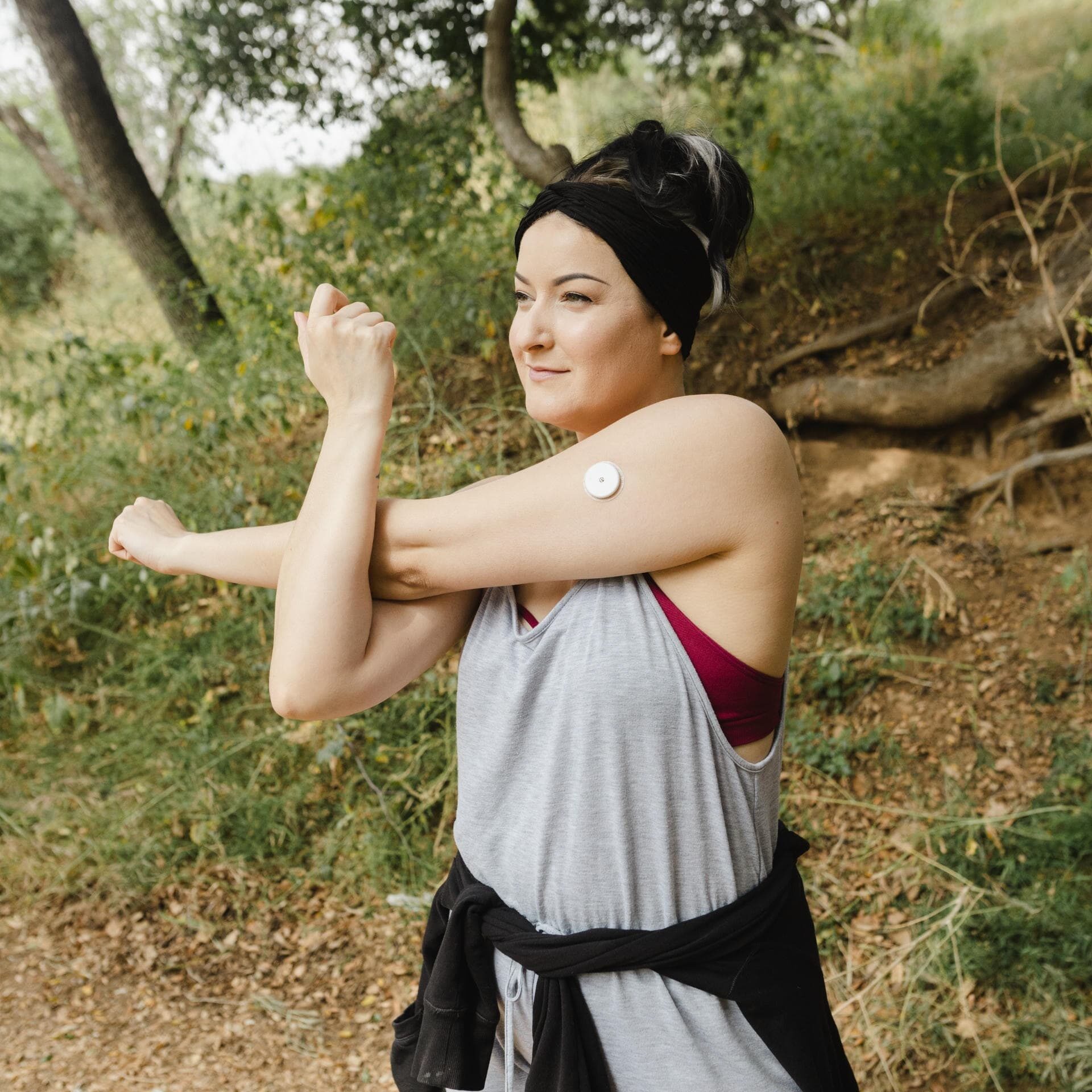
The traditional method for checking blood glucose levels is a finger prick to draw blood which is then placed on a special test strip read by a glucose meter. Today there is a newer advancement in gauging blood sugar levels via a CGM, or Continuous Glucose Monitor, that uses a small transmitter under the skin to send real-time readings to a digital device like a phone or computer. 

You and your physician will decide what is the most convenient and effective method for you. A TD&E, we carefully tailor each of our patient’s treatment to their unique individual needs. 

What should my target blood sugar levels be? 

Target blood sugar levels will vary from person-to-person depending on key factors such as:

  • Age
  • Other medical conditions (such as pregnancy) or medications prescribed 
  • Length of your diabetes diagnosis 
  • Cardiovascular condition 

The American Diabetes Association recommends general target ranges as follows (for non-pregnant individuals):

  • Before a meal: 80–130 mg/dL
  • After a meal ( 2 hours): Less than 180 mg/dL

Tracking Your Blood Sugar Levels

You should establish an easy way to track your blood sugar readings every day whether it’s writing them down or entering them digitally so they are easily accessible and can be shared with your doctor whenever needed. Most glucometers are able to record your readings, though memory storage varies depending on the glucometer.

Don’t be discouraged if your readings fluctuate from time-to-time. Things like stress, travel, illness or other medications, and too much or too little physical activity can easily offset your regular blood sugar levels. 

Achieving optimal blood sugar levels every day takes dedication to routine and healthy eating and lifestyle choices. Managing diabetes can be a challenging task, but at TD&E we are here to assist and guide you.

Contact Us to Help Manage your Diabetes, Osteoporosis and Thyroid Conditions 

If you’d like to schedule an appointment with one of our specialists at Texas Diabetes & Endocrinology and discover how our diabetes services  and other endocrinology therapies can help you lead a full and active life, please contact us at (512) 458-8400 or request an appointment online.  

Don’t forget to follow us on Facebook and Instagram and check back with us each month as we provide you helpful wellness and health information.

managing your diabetes
Tips for Managing Your Diabetes in the New Year 

Successfully managing a chronic condition like diabetes day in and day out takes consistent effort to ensure your symptoms are in check and they do not worsen or cause greater medical complications.

With the start of the new year, now is a great time to evaluate what you are doing to take care of your overall health in general, as well as your diabetes.  

Here are some tips that our team of board-certified endocrinologists and diabetes experts suggest for effectively managing your diabetes, and you may notice that your cholesterol, blood pressure, and mental health potentially benefit as well!

Top Tips for Managing Diabetes

1.         Eat smart. Practice portion control, consume meals in conjunction with your medication times, and ensure sugars, carbs, and calories are all where they need to be to support healthy glucose levels. There are limitless food tracking apps and tools available to help you out. 

2.         Get fit and stay active. Find a sport or physical hobby that you enjoy doing, and stick with it. Keeping physically active has a host of health benefits, including balancing insulin and glucose levels while boosting circulation and your mood. Aim for 30 minutes, five times weekly for average adults. 

3.         Zone in on your zzz’s. Getting an adequate amount of sleep can help with blood glucose levels too and provide your brain and body the rest it needs to smartly map out and manage your diabetes and health goals for each day.

4.         Watch your weight.  Try to reach, and then stay within, a healthy weight range as designated by you and your doctor to best control diabetes and provide you with optimal health benefits. Texas Diabetes & Endocrinology (TD&E) offers weight loss management to help you find the most effective and personalized way to go about this. 

5.         Manage your mental health. Just as you tend to your physical health, make sure your mental health is not neglected. Having a positive outlook and resources to rely on when facing a challenging condition like diabetes can make a huge difference. 

6.         Store and take all medications properly. Make sure you are following your endocrinologist’s instructions on how to take medications and store them the right way. Timing of doses and temperatures often matter for things like insulin which needs to be refrigerated. 

7.         Limit alcohol intake. Alcohol can affect the liver and the body’s ability to process sugar in negative ways, so be cautious and do so in moderation when drinking and opt for beverages like light beers or clear liquors that do not have extra sugar or sweeteners.  

8.         Update your devices. If you rely on continuous glucose monitors, insulin pumps, or other digital tools to support your diabetes management, check that they are all working properly, have current updates installed, and/or batteries are refreshed as needed. 

9.         Explore clinical trials to help you better manage your diabetes. TD&E offers numerous clinical trialsproviding new, cutting-edge therapies and treatments promising to offset the many serious symptoms and side effects of diabetes. Learn more about how participating could enhance your quality of life while advancing science for the worldwide diabetes community through our current research trials available here.

Happy New Year from TD&E, and please let us know how we can better support you to reach your health goals in 2025!

Contact Us to Help Manage your Diabetes, Osteoporosis and Thyroid Conditions 

If you’d like to schedule an appointment with one of our specialists at Texas Diabetes & Endocrinology and discover how our diabetes services  and other endocrinology therapies can help you lead a full and active life, please contact us at (512) 458-8400 or request an appointment online.  

Don’t forget to follow us on Facebook and Instagram and check back with us each month as we provide you helpful wellness and health information.

Next Page »