

If your blood sugar runs higher in winter, you’re not imagining it and it doesn’t mean you suddenly “lost control.” Seasonal shifts can change how your body responds to food, activity, stress, sleep
, and illness. Even when your routine feels mostly the same, winter can quietly make glucose management harder.
What helps most is understanding the why behind the seasonal change, so you can make a few targeted adjustments (not a complete lifestyle overhaul).
Winter raises blood sugar for reasons you don’t always notice
One of the biggest drivers is simply less movement. In colder months, people tend to walk less, run fewer errands on foot, and spend more time sitting. Even a modest drop in daily steps can increase insulin resistance and make post-meal numbers harder to bring down.
Winter also tends to increase stress and disrupt schedules. Work deadlines, holiday obligations, travel, and family dynamics can raise cortisol and adrenaline, hormones that tell your liver to release more glucose into the bloodstream. That can show up as higher fasting glucose or stubborn highs that don’t seem connected to what you ate.
Sleep changes can play a surprisingly large role. Shorter days, less sunlight, late nights, and inconsistent wake times can affect circadian rhythm. Poor sleep can increase insulin resistance the very next day, intensify cravings, and make your body less tolerant of carbohydrates that normally don’t cause big spikes.
And then there’s illness. Cold and flu season can elevate blood sugar even if you’re eating less, because infection and inflammation trigger stress hormones that raise glucose. Dehydration can also concentrate glucose in the bloodstream, making numbers appear higher.
Finally, winter often comes with different food patterns. Comfort foods tend to be heavier, higher in refined carbs, sodium, and saturated fat. Even when portions aren’t huge, certain combinations (like refined carbs and high fat) can cause glucose to rise higher and stay elevated longer. Seasonal mood shifts can add another layer, reducing motivation for movement and disrupting sleep, both of which influence glucose regulation.
What people notice on a CGM in winter
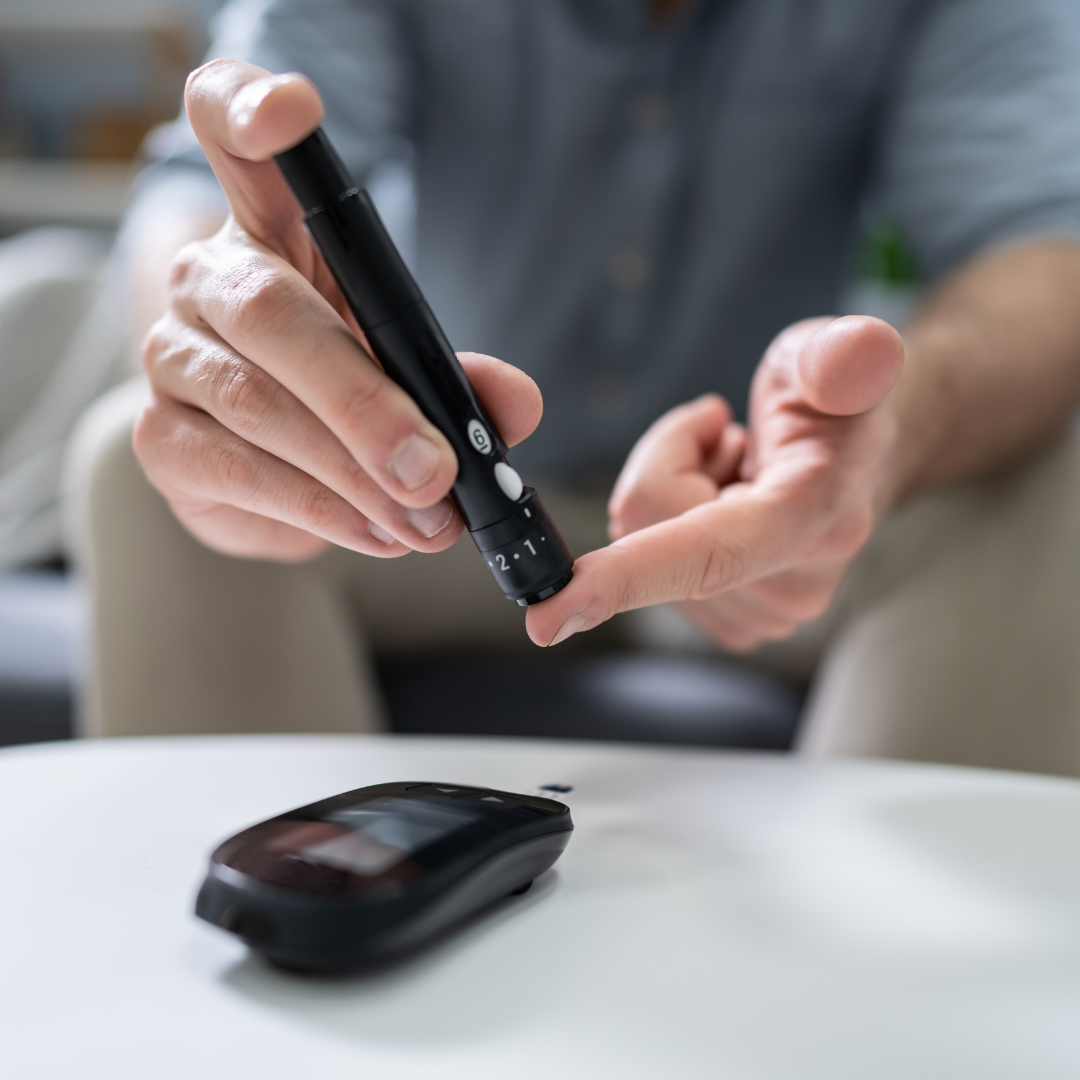
If you wear a continuous glucose monitor, winter patterns can look like higher fasting numbers, bigger spikes after breakfast (especially after poor sleep), and longer “hang time” after meals, meaning glucose stays elevated longer than it does in warmer months. Many people also see more day-to-day variability, with fewer predictable patterns. If you don’t use a CGM, this might show up as higher morning readings or more frequent post-meal highs despite eating “the same things.”
How to reset without overhauling your life
Start with movement, because it’s one of the fastest ways to improve insulin sensitivity.
If outdoor walks are less realistic, keep it simple: a 10-20 minute walk indoors after dinner, a short strength routine at home, or even two five-minute movement breaks during the day can make a noticeable difference. Light resistance training can be especially helpful because muscle tissue improves glucose uptake.
Next, tighten up your sleep as much as your life allows. A consistent bedtime and wake time, within about an hour, often helps more than people expect. If sleep is consistently poor, snoring is common, or you wake up exhausted, it’s worth asking your clinician about sleep apnea screening, which can worsen insulin resistance and blood pressure.
Hydration is another overlooked lever in winter. People often drink less water when it’s cold, and mild dehydration can drive glucose up. Aim to build in “automatic” water moments after waking, with meals, and mid-afternoon.
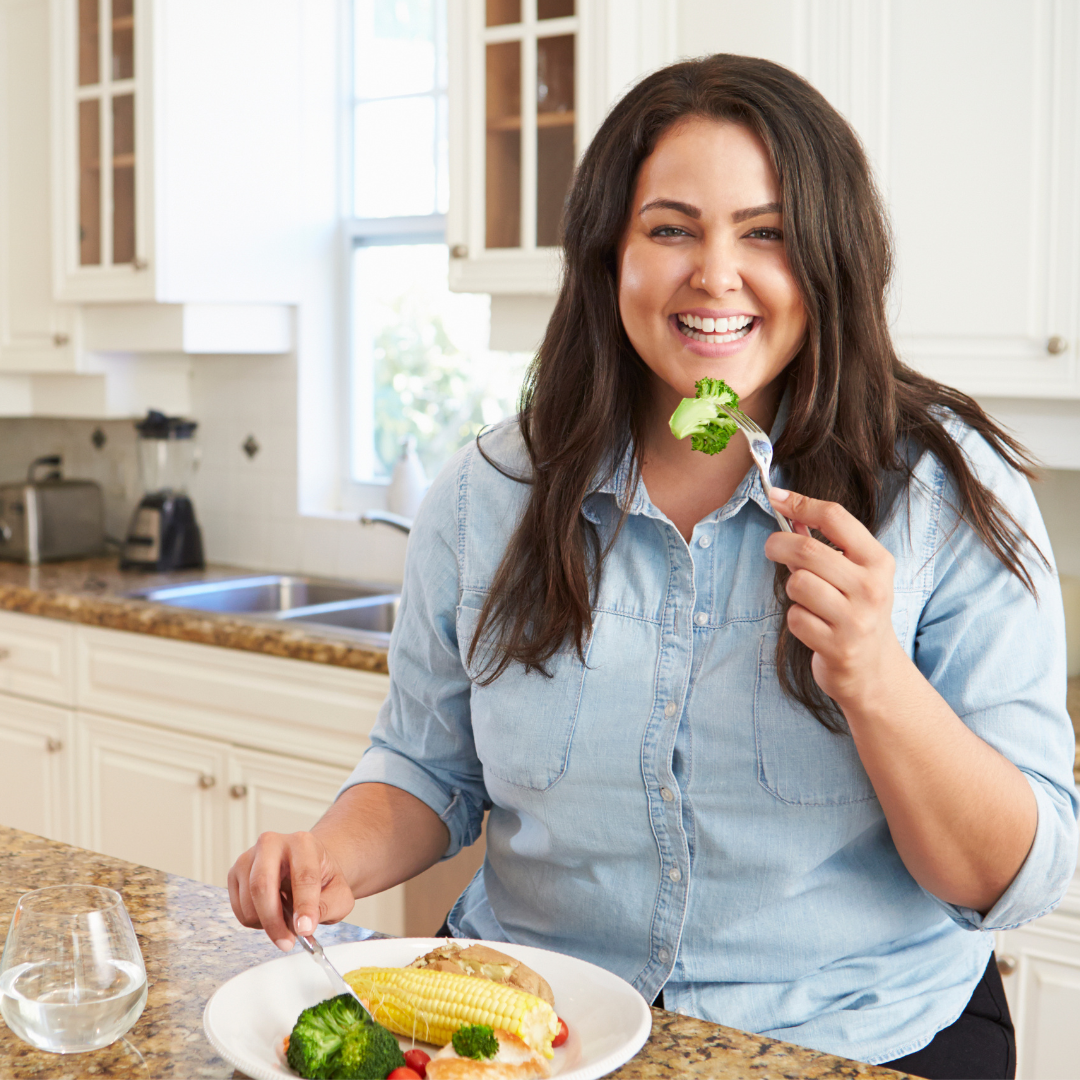
Food doesn’t need to become restrictive to be winter-friendly. A practical approach is to start meals with protein and fiber (eggs and berries at breakfast, Greek yogurt with nuts, chili with beans, chicken with vegetables). That structure blunts spikes and helps you feel satisfied. If winter treats are part of your life, pairing them with protein or a short walk can soften the impact without requiring you to avoid them completely.
Sick-day reminders and when to call your clinician
Because illness is so common in winter, it helps to have a plan before you get sick. When you’re ill, monitor your glucose more closely as advised and prioritize fluids. If you take diabetes medications that require special handling during dehydration or acute illness, follow your clinician’s sick-day instructions (and ask for them if you don’t have them).
Call your care team if your glucose is running persistently high despite your usual plan, if you’re sick and numbers are staying elevated for more than a day, or if you’re experiencing frequent lows, especially if you’re eating less. Seek urgent care if you can’t keep fluids down, have signs of dehydration, or feel very unwell with high glucose.
Winter-related blood sugar changes are common and they’re not a personal failure. Your body is responding to real seasonal inputs: less movement, different sleep and stress patterns, illness, and subtle food shifts. A few strategic resets: indoor movement, steadier sleep, hydration, and a proactive sick-day plan, for example, can make winter glucose trends far more manageable.
Safety guidance
Do not change insulin or diabetes medication doses on your own unless your care team has already given you a specific adjustment plan.
Overall, winter blood sugar changes are common and manageable. The goal isn’t perfection; it’s adaptation. A small increase in indoor movement, a steadier sleep schedule, hydration, and a proactive sick-day plan can make a noticeable difference in just a couple of weeks.
How Texas Diabetes & Endocrinology Can Help
If you’d like to schedule an appointment with one of our specialists at Texas Diabetes & Endocrinology and discover how our diabetes and other endocrinology services can help you lead a full and active life, please contact us at (512) 458-8400 or request an appointment online. Don’t forget to follow us on Facebook and Instagram and check back each month as we provide you with helpful health and wellness information.