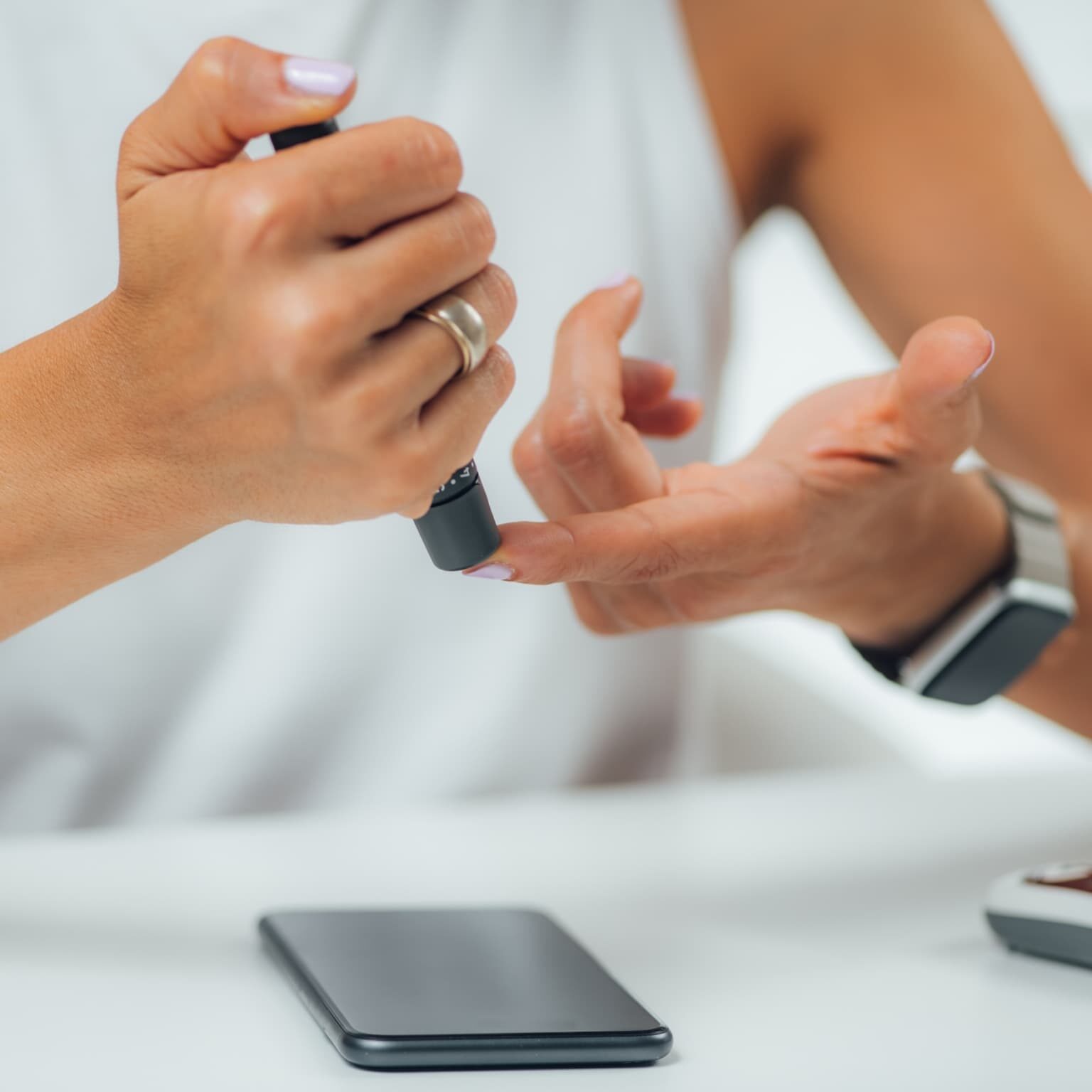
How Stress Impacts Your Blood Sugar

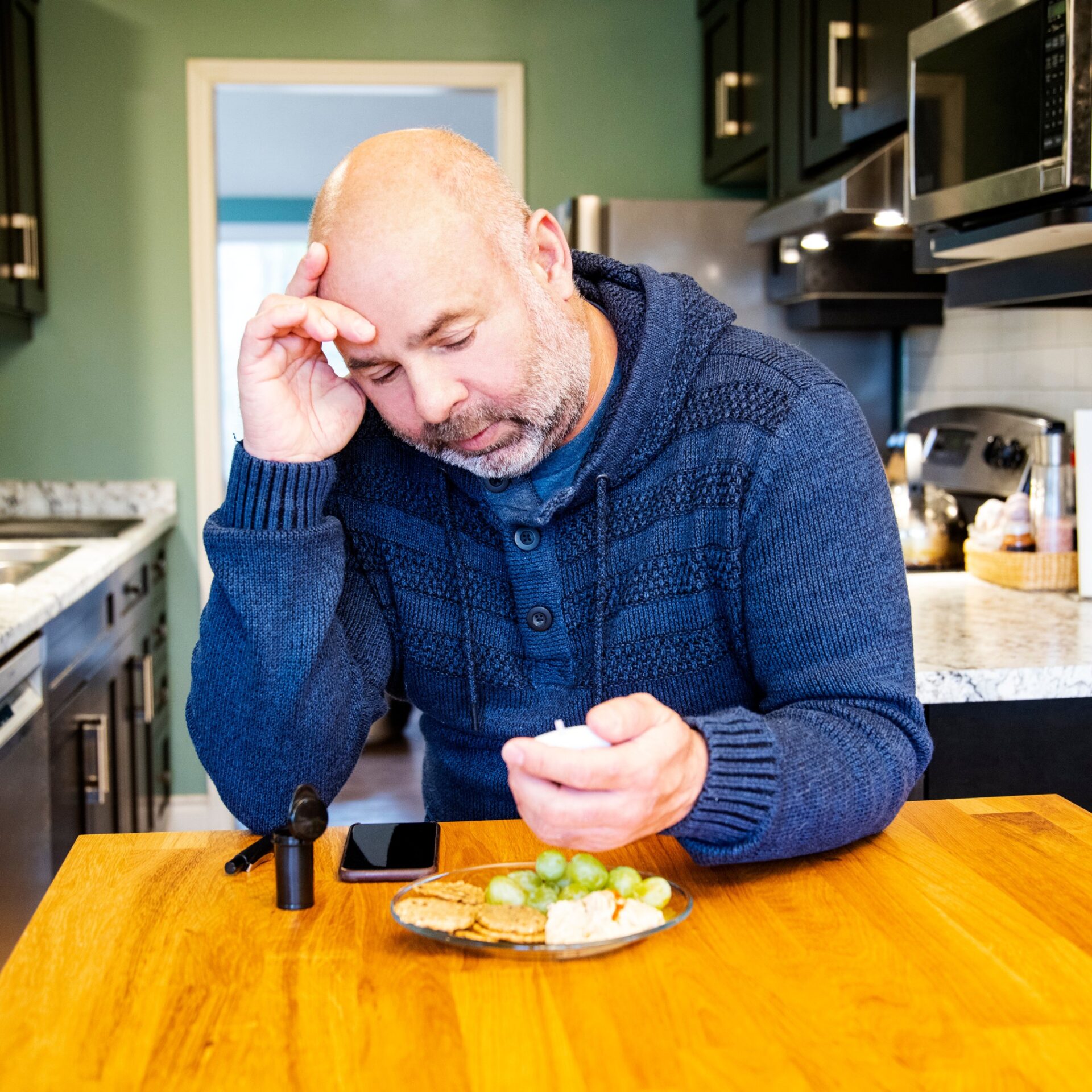
Keeping up with your diabetes care can be stressful. But did you know that mental stress can raise your blood sugar levels?

If it feels like your numbers are difficult to control when you’re anxious or overwhelmed, you’re not imagining things. Stress and blood sugar are closely linked, and for people with diabetes, understanding that connection is an important step toward feeling better and staying healthy.

How Stress Affects Blood Sugar

When you’re stressed, your body releases hormones like cortisol and adrenaline. These are part of your natural “fight or flight” response, designed to help you handle a threat. But along with increasing your heart rate and energy, these hormones also raise blood glucose levels, making it harder to manage blood sugar.

A study published in Frontiers in Psychology found that people with diabetes who experienced high levels of stress often had higher A1C levels (a marker of average blood glucose). 

Dealing with the daily tasks of diabetes management can also become a source of stress, making it a cycle that can feel tough to break.

Signs Stress May Be Affecting You

Stress doesn’t always show up in obvious ways. You may notice:

  • Higher-than-usual blood sugar readings
  • Trouble sleeping or fatigue
  • Mood changes like irritability or feeling down
  • Difficulty concentrating
  • Feeling overwhelmed with your diabetes care

If any of this sounds familiar, it may be time to take a closer look at your stress levels and explore tools to manage them.

Simple Ways to Lower Stress and Support Better Blood Sugar

The American Diabetes Association recommends a few simple, effective techniques that can help lower stress:

Get moving. Exercise is a natural stress reliever. Even a walk around the block can improve your mood and your glucose levels. Activity can boost your insulin sensitivity, too.

Talk it out. Whether it’s a support group, a friend, or a therapist, talking about what’s on your mind can lighten the load. You don’t have to manage diabetes alone.

Prioritize rest. Sleep plays a major role in both blood sugar and emotional resilience. Aim for 7–8 hours each night.

Take a break. A few deep breaths, a short meditation, or even 10 minutes without your phone can calm your nervous system and lower cortisol levels.

Try something new. A new hobby, a good book, or a creative project can help shift your focus and reduce daily stress.

You’re Not Alone

At Texas Diabetes, we understand that managing diabetes isn’t just about medication and numbers—it’s about your whole well-being. If stress is making your diabetes harder to manage, talk to your care team. Together, we can explore what’s going on and find solutions that work for your lifestyle.

Consult with an Endocrinologist in Austin, TX 

If you’d like to schedule an appointment with one of our endocrinologists at Texas Diabetes & Endocrinology and discover how our diabetes services and other endocrinology therapies can help you lead a full and active life, please contact us at (512) 458-8400 or request an appointment online.  

senior drinking water outside
Can Your GLP-1 Medication Make You More Prone to Heat Illness?

GLP-1 agonists—such as semaglutide (Ozempic) and tirzepatide (Mounjaro)—have revolutionized diabetes and weight management. While they help improve blood sugar control and support weight loss, it’s important to understand how these medications, along with diabetes itself, can increase the risk of heat-related illness in Central Texas’ summer heat.

Why GLP-1s and Heat Don’t Always Mix

1. Digestive effects that can dehydrate
GLP-1s often slow digestion, resulting in side effects like nausea, vomiting, or diarrhea/constipation. Coupled with high temperatures and humidity, this may push you into dehydration faster, even on a seemingly normal day.

2. Reduced appetite, reduced thirst
These medications can suppress both appetite and thirst, making it easier to overlook the need for fluids, especially when you’re sweating more in the heat.

Why People with Diabetes Face Greater Heat Risk

Even without GLP-1s, people with diabetes are more vulnerable to heat-related illness. Elevated blood sugar levels can lead to dehydration, and certain diabetes complications, like nerve damage or reduced sweat gland function, can impair the body’s ability to cool down. Additionally, people with diabetes may not feel early warning signs of heat exhaustion as clearly, especially if they have neuropathy. Some diabetes-related blood pressure medications (like diuretics or beta-blockers) can also affect fluid balance or heart rate, further complicating the body’s heat response.

Making Safe Choices in the Heat

Here are practical tips to reduce your risk of heat-related illness:

  • Hydration is essential: Carry water or electrolyte drinks and sip regularly, even before you feel thirsty. Avoid sugary or caffeinated beverages.
  • Choose cooler hours for activity: Exercise early morning or evening when temperatures are lower and humidity is less intense.
  • Dress smart: Opt for light, loose-fitting clothing, sunscreen, and protective accessories like hats or cooling towels.
  • Monitor the heat index: Central Texas summers often reach triple digits, and with humidity, it can feel like 104°F or higher. Avoid going outdoors during peak heat hours, typically between 10 a.m. and 4 p.m., to reduce your risk of heat-related illness.
  • Protect temperature-sensitive supplies: Insulin, pumps, glucose strips, and sensors can lose effectiveness or be damaged in high heat.
  • Track symptoms and call your care team: Watch for nausea, dizziness, weakness, confusion, or fainting, and stay connected if you’re experiencing side effects or changes in glucose.

If you’re managing diabetes with GLP-1s or other medications, be sure to plan ahead to stay on track and avoid heat-related complications.

Diabetes, Thyroid and Osteoporosis Specialists in Austin, TX 

If you’d like to schedule an appointment with one of our endocrinologists at Texas Diabetes & Endocrinology and discover how our diabetes services and other endocrinology therapies can help you lead a full and active life, please contact us at (512) 458-8400 or request an appointment online.  

Don’t forget to follow us on Facebook and Instagram and check back with us each month as we provide you helpful wellness and health information.

Diabetes and Hypertension

High blood pressure (or hypertension) and diabetes often occur together. One theory as to their link is that both conditions share common risk factors such as obesity, poor diet, and a sedentary lifestyle. It is estimated that two out of every three people with diabetes also report having high blood pressure. 

High blood pressure is defined as consistent readings that exceed 120/80 (systolic/diastolic pressure).

The American Diabetes Association recently updated its Standards of Care in Diabetes which referenced the importance of managing cardiovascular risk factors (ie: hypertension) alongside diabetes treatment. 

One key recommendation made was that blood pressure should be taken at every routine clinical exam for people with diabetes, or at least a minimum of every six months. 

At Texas Diabetes & Endocrinology, our team of board-certified endocrinologists guide patients  through their diabetes treatment to help them lead the fullest, most active life possible despite the challenges of this chronic disease and accompaniments like high blood pressure.  

Here are some tips that our diabetes experts recommend for helping to improve hypertension while also helping to promote healthy blood glucose levels:

  • Get plenty of physical activity, aim for at least 150 minutes of moderate exercise each week for most adults
  • Speak with your physician about losing weight if overweight and about what your target goal weight should be
  • Eat a heart-healthy diet full of whole grains, brightly-colored fruits and vegetables, and lean meats and proteins 
  • Use herbs and spices to enhance food instead of excess sugar, sodium and fats
  • Quit smoking
  • Limit alcohol consumption 

If your high blood pressure persists despite healthy lifestyle changes, your physician may suggest medication to help lower it.

At Texas Diabetes & Endocrinology, all of our treatment plans are personally tailored to best meet your unique healthcare needs. In addition to diabetes management, we also offer heart disease prevention and weight loss counseling services. 

Contact Us to Help Manage your Diabetes, Osteoporosis and Thyroid Conditions 

If you’d like to schedule an appointment with one of our specialists at Texas Diabetes & Endocrinology and discover how our diabetes services  and other endocrinology therapies can help you lead a full and active life, please contact us at (512) 458-8400 or request an appointment online.  

Don’t forget to follow us on Facebook and Instagram and check back with us each month as we provide you helpful wellness and health information.

The Basics of Blood Sugar Monitoring  

Blood glucose monitoring is a key component to effective diabetes management. How high or low your blood sugar is throughout the day can have a direct effect on both your physical and mental well-being. 

If your blood sugar is too low, it can make it difficult to focus and function. If it’s too high, it can not only impact your ability to function in the moment, but over time it may cause damage to your internal organs. This can increase your risk for other health issues such as stroke, heart attack, chronic kidney disease, retinopathy, peripheral neuropathy, peripheral artery disease (PAD) and more.

At Texas Diabetes & Endocrinology, our team of board-certified endocrinologists want to set our diabetes patients up for success by recommending blood sugar monitoring routines that are efficient so that daily life and taking insulin and other medications are as easy as possible. 

Here are some basic reminders for smart blood glucose testing.

When should I check my blood sugar?

General guidelines for when to test your blood sugar levels each day are:

  • First thing in the morning when you wake up before eating or drinking
  • Before eating each meal
  • Roughly two hours after each meal
  • Before bedtime 

Your endocrinologist may give you special instructions on when to test during the day depending on your diabetes diagnosis (Type 1 or Type 2) and insulin protocol. 

How do I check my blood sugar?

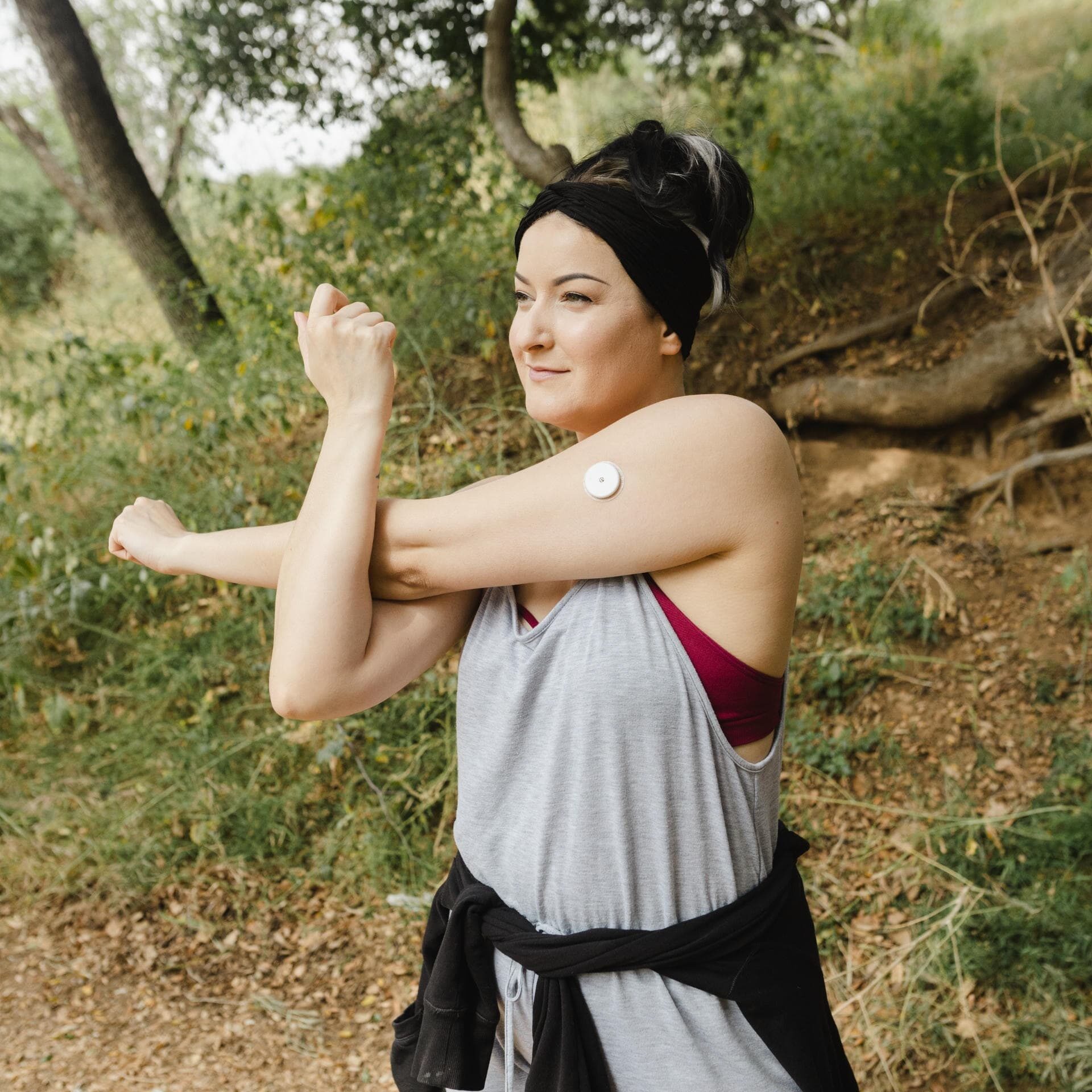
The traditional method for checking blood glucose levels is a finger prick to draw blood which is then placed on a special test strip read by a glucose meter. Today there is a newer advancement in gauging blood sugar levels via a CGM, or Continuous Glucose Monitor, that uses a small transmitter under the skin to send real-time readings to a digital device like a phone or computer. 

You and your physician will decide what is the most convenient and effective method for you. A TD&E, we carefully tailor each of our patient’s treatment to their unique individual needs. 

What should my target blood sugar levels be? 

Target blood sugar levels will vary from person-to-person depending on key factors such as:

  • Age
  • Other medical conditions (such as pregnancy) or medications prescribed 
  • Length of your diabetes diagnosis 
  • Cardiovascular condition 

The American Diabetes Association recommends general target ranges as follows (for non-pregnant individuals):

  • Before a meal: 80–130 mg/dL
  • After a meal ( 2 hours): Less than 180 mg/dL

Tracking Your Blood Sugar Levels

You should establish an easy way to track your blood sugar readings every day whether it’s writing them down or entering them digitally so they are easily accessible and can be shared with your doctor whenever needed. Most glucometers are able to record your readings, though memory storage varies depending on the glucometer.

Don’t be discouraged if your readings fluctuate from time-to-time. Things like stress, travel, illness or other medications, and too much or too little physical activity can easily offset your regular blood sugar levels. 

Achieving optimal blood sugar levels every day takes dedication to routine and healthy eating and lifestyle choices. Managing diabetes can be a challenging task, but at TD&E we are here to assist and guide you.

Contact Us to Help Manage your Diabetes, Osteoporosis and Thyroid Conditions 

If you’d like to schedule an appointment with one of our specialists at Texas Diabetes & Endocrinology and discover how our diabetes services  and other endocrinology therapies can help you lead a full and active life, please contact us at (512) 458-8400 or request an appointment online.  

Don’t forget to follow us on Facebook and Instagram and check back with us each month as we provide you helpful wellness and health information.

« Previous PageNext Page »