The holidays are a time of celebration, but they can also be a perfect storm for poor sleep. Late-night gatherings, travel across time zones, extra sugar and caffeine, and a calendar that’s busier than usual can all chip away at your rest.
If you live with diabetes, sleep isn’t just a “nice to have.” Sleep is a key part of blood sugar management and long-term heart health. New research in 2025 is giving us even clearer evidence that short or disrupted sleep, and even snoring, can raise the risk of type 2 diabetes and cardiovascular disease.
What the latest research is telling us
Several recent studies have highlighted why sleep deserves a spot right next to nutrition, physical activity, and medication in your diabetes care plan:
A 2025 cohort study of women with a history of gestational diabetes found that shorter sleep and snoring were strongly linked to a higher risk of developing type 2 diabetes later on. Women who snored regularly had worse glucose markers and higher long-term diabetes risk than those who didn’t.
Another 2025 study following adults with type 2 diabetes found that shorter sleep duration was associated with a higher risk of new cardiovascular disease, while people who slept long enough had lower risk over time.
Research continues to show that obstructive sleep apnea (OSA), a condition in which breathing repeatedly stops and starts during sleep, is common in people with type 2 diabetes and obesity and is linked to vascular damage and higher cardiovascular risk.
Overall, when sleep is short, fragmented, or disrupted by snoring and breathing pauses, your body has a harder time using insulin, controlling blood pressure, regulating appetite, and repairing blood vessels. Over time, that raises the risk of diabetes complications.
Why sleep often suffers in December
Even people who sleep fairly well the rest of the year can struggle during the holiday season. Common patterns we see include later bedtimes and early wake-ups for parties, family traditions, or travel, more caffeine during the day to “push through” fatigue, extra desserts and alcohol in the evening, which can cause blood sugar spikes and nighttime awakenings, travel across time zones, disrupting circadian rhythms and shift work or seasonal jobs, where hours may vary from week to week.
For someone with diabetes, these changes can trigger both blood sugar swings and sleep disruptions, creating a cycle where each makes the other worse.
Protecting your sleep during a busy season
Small, consistent steps can make a big difference:
1. Guard a consistent schedule when you can: Try to keep your wake-up time within about an hour of your usual, even on weekends or days off. If you have a very late night, a short daytime nap (20–30 minutes) can help … just avoid long naps late in the day.
2. Set a caffeine and alcohol cutoff: Many people sleep better when they avoid caffeine for at least 6 hours before bedtime. Alcohol may make you feel sleepy at first, but it leads to lighter, more fragmented sleep and can worsen snoring or sleep apnea. If you drink, do so earlier in the evening and with food.
3. Create a wind-down routine: Aim for 20-30 minutes of “slow-down” time: dim lights, put phones and laptops away, read, stretch, or practice a few deep breaths. Try to keep heavy meals and intense exercise at least 2-3 hours away from bedtime.
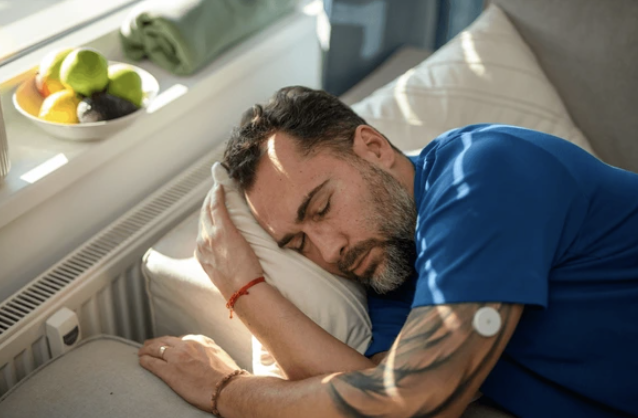
4. Keep your diabetes tech working for – not against – your sleep: If you use a continuous glucose monitor (CGM), review your alert settings with your care team so you’re protected from dangerous highs and lows without being woken unnecessarily. Look for patterns: if you frequently go low at night, talk with your endocrinologist about adjusting insulin doses, timing of medications, or bedtime snacks.
5. Plan for travel and time-zone changes: Pack all diabetes supplies (and a printed prescription list) in your carry-on. When crossing time zones, ask your care team ahead of time how to adjust insulin or medication timing. Simple tools like an eye mask, earplugs, or a white-noise app can make unfamiliar bedrooms more sleep-friendly.
When to talk to a doctor about snoring or sleep problems
Occasional poor sleep happens to everyone. But it’s important to reach out to your healthcare provider if you or someone else notices any of the following:
- Loud, frequent snoring
- Pauses in breathing, gasping, or choking sounds during sleep (often noticed by a bed partner)
- Waking up with a dry mouth, morning headaches, or feeling unrefreshed
- Struggling to stay awake while driving, at work, or during the day
- Needing more than 30 minutes most nights to fall asleep, or waking up frequently and not being able to get back to sleep
- High blood pressure that’s hard to control despite medication
These can be signs of obstructive sleep apnea or another sleep disorder. A sleep evaluation, sometimes including a home or in-lab sleep study, can help. Treating sleep apnea with CPAP or other options can improve blood pressure, daytime energy, and, in some cases, blood sugar control.
How Texas Diabetes & Endocrinology can help
If you’d like to schedule an appointment with one of our specialists at Texas Diabetes & Endocrinology and discover how our diabetes services and other endocrinology therapies can help you lead a full and active life, please contact us at (512) 458-8400 or request an appointment online. Don’t forget to follow us on Facebook and Instagram and check back with us each month as we provide you with helpful wellness and health information.